
Movement and Testosterone: Building the Right Training Plan to Optimize Your Hormones
Heavy lifting is the most testosterone-boosting form of exercise. But overall movement matters too. A sedentary lifestyle actively suppresses testosterone. On the flip side, consistent movement throughout the day supports healthy testosterone levels.
The key is getting the balance right. Too much endurance exercise without recovery can actually suppress testosterone. Not enough movement keeps testosterone low. The right mix of strength training, moderate cardio, and low-intensity movement creates the optimal environment for testosterone production.
Why a Sedentary Lifestyle Tanks Testosterone
Your body evolved for movement. When you're sedentary most of the day, your body doesn't feel the need to produce testosterone. There's no stimulus.
Sitting suppresses hormone production. It's one reason office workers often have lower testosterone than people with more active jobs.
Sedentary men have higher cortisol, lower testosterone, and worse overall metabolic health. Movement fixes all of that.
The Three Types of Movement You Need
Heavy strength training triggers testosterone production through the mechanism we discussed: micro-tears that force your body to release testosterone to repair muscle.
Moderate cardio supports cardiovascular health, burns calories, and helps with body composition. Twenty to thirty minutes of running, cycling, rowing, or similar activity a few times per week improves overall health and supports testosterone production.
Low-intensity movement like walking, stretching, and mobility work activates your parasympathetic nervous system and reduces stress. This helps lower cortisol and allows testosterone production to recover.
You need all three. Not just one.
The Training Schedule That Works
This assumes you're also doing the sleep, nutrition, and stress management stuff.
Monday: Heavy strength training. Squats, deadlifts, bench press, rows. 45 minutes to an hour.
Tuesday: Moderate cardio. 30 minutes of running, cycling, rowing, or similar.
Wednesday: Rest day or light movement. Walk, stretch, mobility work.
Thursday: Heavy strength training. Different exercises than Monday. Same intensity.
Friday: Moderate cardio.
Saturday: Light movement. Hike, walk, yoga, stretching. Whatever keeps you moving without being intense.
Sunday: Rest.
This rhythm gives you enough strength training stimulus to trigger testosterone production. Enough cardio to support cardiovascular health and body composition. Enough recovery that you're not in constant cortisol overdrive.
The Trap of Too Much Cardio
A lot of guys think more exercise is always better. They do heavy strength training plus hours of cardio. They're training hard seven days a week with minimal recovery.
This keeps cortisol elevated. They're in constant stress mode. Testosterone gets suppressed rather than boosted.
You can actually hurt your testosterone by training too much without adequate recovery.
The ideal is hard training followed by adequate recovery. Heavy one day. Easier the next. This rhythm keeps testosterone elevated while you're making progress.
Intensity Matters More Than Volume
You don't need to work out two hours a day. You need to work out intensely for 45 minutes to an hour and then recover.
Heavy strength training doesn't need to be long. Forty-five minutes of focused, intense lifting triggers more testosterone than two hours of moderate, unfocused training.
This is good news for most men. You can get better results with less time in the gym if you're doing it right.
The Timeline for Movement-Induced Testosterone Increases
Week one: You're sore from the training. Your body is adapting. Sleep is better because you're tired from training.
Week two to three: You're noticeably stronger. Your mood is better. Energy is higher.
Week four to six: You're seeing body composition changes. You're stronger. Testosterone is rising. Libido is improving.
Week eight to twelve: You're noticeably muscular. Your body has changed. Testosterone is significantly higher. Energy and libido are back.
Progressive Overload Still Matters
You can't just do the same workout every week and expect testosterone to keep rising. Your body adapts. The stimulus diminishes.
Progressive overload means you're increasing weight, reps, or intensity every week or two. Your body keeps having to adapt, which means it keeps producing testosterone to support that adaptation.
This is why tracking your strength progress matters. Are you lifting heavier than you were three weeks ago? If yes, you're providing an ongoing stimulus for testosterone production. If no, your testosterone response plateaus.
The Movement and Sleep Connection
Hard training depletes your nervous system and your muscles. Sleep is when recovery happens. If you're training hard and not sleeping well, you're not recovering.
Your testosterone isn't rising because you're not allowing recovery.
This is why the training schedule I outlined includes rest days and lighter days. You're not training hard every day. You're alternating hard and easy. This allows recovery, which allows testosterone to rise.
What If Movement Alone Isn't Enough
For many men, especially younger men with moderate testosterone decline, adding consistent movement following this schedule restores testosterone to normal levels.
For men with more significant testosterone deficiency or those whose decline has been ongoing for years, movement creates the foundation that allows testosterone therapy to work optimally. You're building the habit, improving sleep and stress, improving body composition. The testosterone therapy brings your levels to optimal.
Either way, movement is part of the solution.
Start This Week
If you're sedentary, start with movement this week. Doesn't need to be intense. A 30-minute walk counts.
If you're already moving, assess your balance. Are you doing heavy strength training? Are you recovering between sessions? Are you avoiding training too hard with no rest?
Adjust your routine to match the schedule outlined. Hard days, easy days, rest days.
Within a few weeks, you'll feel the difference. Better sleep. Better energy. Better mood. Better libido. This is testosterone rising in response to appropriate training stimulus and recovery.
If you want to test your testosterone levels and understand how training is impacting your hormones, or if you want guidance on optimizing your training for testosterone production, Modern Health & Wellness can help.
We help you understand your current hormone status and build a training and lifestyle protocol that works for your specific situation, including whether testosterone therapy would benefit you.
Schedule Your Hormone Assessment
Modern Health & Wellness Gilbert/Scottsdale, Arizona Phone: (602) 878-9478 Email: hello@modernhealthaz.com


Hydration and Sugar: Two Simple Factors That Impact Your Testosterone
You probably don't think about hydration or sugar as testosterone factors. But they are. Chronic dehydration impairs every physiological process, including hormone production. And excess sugar consumption actively suppresses testosterone.
Living in Arizona, you're in a dry climate. Dehydration is easier to miss because you sweat and the sweat evaporates fast. You don't feel as thirsty as you would in a humid climate. But you're still losing water constantly.
And sugar is everywhere. You're probably consuming more than you realize. A little here, a little there. By the end of the day, your insulin is spiked, and your testosterone is suppressed.
Dehydration and Testosterone
Your body is 60 percent water. Water is involved in virtually every physiological process, including hormone production. When you're dehydrated, everything works less efficiently.
Dehydration concentrates stress hormones. Cortisol is higher. Cortisol suppresses testosterone.
Dehydration also impairs the signaling systems that regulate testosterone. Your hormones communicate through chemical signals. Those signals don't travel well through a dehydrated body.
Most men in Arizona are chronically mildly dehydrated. They're not drinking enough water. They're compensating with caffeine, which makes dehydration worse because caffeine is a diuretic.
How Much Water Should You Drink
A basic guideline is half your body weight in ounces of water daily. If you weigh 200 pounds, that's 100 ounces of water.
Adjust that up if you're exercising or if you're in the Arizona heat. If you're working out, add another 16 to 32 ounces. If you're outside in the heat, drink more.
The goal is consistent hydration throughout the day, not chugging water all at once.
The Effect of Hydration on Testosterone
When you switch from being dehydrated to properly hydrated, most men notice improvements within a few days.
Better energy. Your afternoon crash is less severe. You're thinking more clearly.
Better workout performance. You have more endurance. You recover better between sets.
Better recovery overall. Your body can actually repair itself when it's properly hydrated.
Within a couple weeks of proper hydration, testosterone levels typically improve, especially if dehydration was a contributing factor.
Sugar and Insulin
Here's what happens when you eat sugar. Your blood sugar spikes. Your pancreas releases insulin to bring the blood sugar back down. Insulin is a hormone. When insulin spikes, other hormones respond.
Chronically elevated insulin is associated with low testosterone. It's also associated with increased conversion of testosterone to estrogen. You're losing testosterone in two ways.
And insulin causes fat storage, which as we discussed, produces aromatase, which converts testosterone to estrogen. You're in a metabolic state that actively suppresses testosterone.
Most men consume way too much sugar without realizing it. A coffee with sugar. A mid-morning snack. A soda. Some sweetened food at lunch. A snack in the afternoon. Dessert after dinner. By the end of the day, you've consumed 100 to 200 grams of sugar.
Your insulin is constantly spiked. Your testosterone is constantly suppressed.
The Problem With Refined Carbs
It's not just obvious sugar. Refined carbs like white bread, pasta, cereals, and processed snacks spike your insulin just as much.
These foods are quickly converted to glucose. Your blood sugar spikes. Insulin spikes. Testosterone gets suppressed.
Whole carbs like oats, sweet potatoes, quinoa, and legumes don't spike insulin the same way. They have fiber, which slows absorption. Your blood sugar rises gradually. Insulin response is moderate. Your hormones stay stable.
Eliminating Sugar Has a Dramatic Effect
If you've been eating a high-sugar diet and you cut out sugar and refined carbs, the changes are noticeable quickly.
Day one to two: You probably feel slightly worse as your body adjusts. But by day three, you have more stable energy. No more afternoon crashes.
Week one: You're noticeably more energetic. Your mood is better. You're sleeping better.
Week two to three: You've probably lost a few pounds just from eliminating blood sugar fluctuations and excess calorie consumption. Your body composition is changing.
Week four and beyond: Your testosterone is rising. Your libido is improving. Your energy is consistent all day.
The insulin-suppression of testosterone effect is real and measurable.
The Practical Changes
Replace sugary drinks with water. Coffee with a little cream, not sweet coffee drinks. If you want flavor, add lemon.
Replace refined carbs with whole carbs. Oatmeal instead of cereal. Sweet potato instead of white rice. Whole grain bread instead of white bread.
Eat fruit instead of processed sweets. Berries have less sugar and more fiber than most fruits. They're a good choice.
Read labels. You'd be shocked at how much sugar is in foods you think are healthy. Yogurt. Granola. Salad dressing. Look for products with less than 5 grams of sugar per serving.
The Timeline for Stabilized Blood Sugar and Testosterone
Day one to three: Adjustment period. Stable energy returns.
Week one to two: Energy is consistent. Mood is better. Sleep is better.
Week two to four: Body composition is changing. Testosterone is rising. Libido improving.
Month two and beyond: Testosterone is significantly higher. You feel like yourself again.
Combined With Other Strategies
Proper hydration plus stable blood sugar plus sleep optimization plus strength training plus stress management. These address the major factors that suppress testosterone.
For many men, especially those whose testosterone decline is recent, these strategies alone restore testosterone to optimal levels.
For others, especially those with longer-term deficiency, these strategies create the foundation that makes testosterone therapy more effective.
Start This Week
Pick one: drink more water or cut out sugary drinks.
If you usually have a soda or sweet coffee, replace it with water or unsweetened coffee.
If you're dehydrated, start drinking half your body weight in ounces of water daily.
Within a few days, you'll notice better energy. Within a week, you'll notice the difference in how you feel.
If you want to test your testosterone levels and understand how these metabolic factors are impacting your hormones, Modern Health & Wellness can help.
We test glucose, insulin, and testosterone to give you the full picture of your metabolic and hormonal health.
Schedule Your Hormone Assessment
Modern Health & Wellness Gilbert/Scottsdale, Arizona Phone: (602) 878-9478 Email: hello@modernhealthaz.com

Alcohol and Testosterone: Why Your Drinking Habit Is Suppressing Your Hormones
If you're trying to boost testosterone and you're drinking regularly, you're working against yourself. Alcohol directly suppresses testosterone production. Even moderate drinking has a measurable effect.
A few drinks and your testosterone takes a hit that same night. Your body prioritizes processing the alcohol over producing testosterone.
Chronic drinking is worse. Your testosterone stays suppressed. Your estrogen rises. Your sexual function declines. Your energy crashes. And a lot of men don't connect the dots and realize the alcohol is the culprit.
How Alcohol Suppresses Testosterone
When you drink alcohol, it interferes with the hormonal systems that produce testosterone. The hypothalamus and pituitary gland, which control testosterone production, get disrupted by alcohol. Your body is too busy processing the alcohol to make testosterone.
Alcohol also increases aromatase activity, the enzyme that converts testosterone into estrogen. So you're losing testosterone in two ways: production is suppressed, and what testosterone you do make is being converted into estrogen.
With chronic drinking, the damage gets worse. Your liver takes a hit, which affects hormone metabolism. Your testes themselves get damaged. You're not just temporarily suppressing testosterone, you're potentially damaging your ability to produce it long-term.
The Timeline of Alcohol's Effect on Testosterone
Night of drinking: Testosterone is suppressed immediately. You might not feel it that night, but your hormones are disrupted.
Day after drinking: Testosterone is still low. Your energy is low. Your mood might be worse. Your motivation is gone. This is partly dehydration and partly the testosterone suppression.
Regular drinking, multiple times per week: Testosterone stays chronically suppressed. Your baseline testosterone is lower than it would be if you weren't drinking. Your estrogen is higher. You feel fatigued and unmotivated.
Why Guys Don't Realize Alcohol Is the Problem
Most men don't connect the dots. They think their low energy is just part of getting older. They don't realize that a few years of regular drinking has tanked their testosterone.
They attribute their declining libido to relationship problems or stress. They don't realize the alcohol consumption is the direct cause.
By the time they realize it, they've been drinking regularly for years and their testosterone baseline is significantly lower than it should be.
The Recovery Timeline
If you've been drinking regularly and you cut out alcohol, your testosterone recovery follows a predictable timeline.
Week one: You feel like garbage initially. Your body is adjusting. But by the end of the week, you're noticing better sleep and more energy.
Week two to three: Sleep is much better. Your mood is noticeably improved. Energy is higher. This is the nervous system recovering.
Week four: Your libido is starting to improve. Testosterone is rising. You're noticing the difference.
Week six to eight: Testosterone is significantly higher. Your libido has returned. Energy is consistently good. You're recovering the hormonal baseline you had before chronic drinking.
Most men are shocked at how much cutting alcohol improves their life. Not just testosterone, but sleep quality, energy, body composition, workout performance. Everything improves when alcohol is removed.
Alcohol and Training
If you're trying to build muscle and optimize testosterone, alcohol is working against you in multiple ways.
It suppresses testosterone, which is needed for muscle building.
It interferes with protein synthesis, your body's ability to build muscle.
It dehydrates you, which impairs performance.
It disrupts sleep, which is when muscle growth happens.
You can lift heavy and eat well, but if you're drinking regularly, your muscle-building results will suffer.
Moderation Versus Elimination
A lot of health advice says "moderate alcohol consumption is fine." That's probably true if testosterone optimization isn't a priority.
But if your goal is to restore testosterone to optimal levels, especially if you're dealing with andropause symptoms, alcohol needs to be minimized or eliminated.
The most effective approach is to cut alcohol completely for 30 to 90 days. See what happens to your energy, libido, sleep, and body composition. Feel what it's like to have healthy testosterone.
From there, you can decide if occasional drinking is worth the trade-off.
Most men, once they experience what life feels like with good testosterone, don't want to go back to regular drinking. The cost in quality of life is too high.
The Mental Game
If you've been using alcohol as a stress relief or a social thing, cutting it out requires replacing that habit.
Instead of drinks after work, go to the gym or take a walk.
Instead of drinking at social events, have interesting conversations and be the interesting person who doesn't need alcohol.
Instead of weekend drinking, do something active that supports testosterone production.
The mental game is real, but it's doable. And the payoff in how you feel is worth it.
What If Cutting Alcohol Isn't Enough
For some men, especially younger men, cutting alcohol and implementing the other lifestyle strategies we've discussed restores testosterone to normal levels.
For others, especially those whose testosterone has been suppressed for years, eliminating alcohol is the foundation that allows other interventions to work. They cut alcohol, they optimize sleep and training and nutrition, and they monitor their testosterone recovery.
If testosterone still isn't rising to optimal levels after months of alcohol elimination and other lifestyle optimization, testosterone therapy becomes a relevant conversation.
But most men find that alcohol elimination alone produces a remarkable improvement in how they feel.
Try It for 30 Days
Pick a 30-day period and cut alcohol completely. No beers, no wine, nothing. Just 30 days.
Track how you feel. Your energy. Your sleep. Your libido. Your mood. Your workout performance.
Most men are shocked at the difference within 30 days.
If you want to test your testosterone levels to see how alcohol has been affecting you, or if you want guidance on optimizing hormones after cutting alcohol, Modern Health & Wellness can help.
We test testosterone levels and help you understand the impact of lifestyle factors like alcohol on your hormonal health.
Schedule Your Hormone Assessment
Modern Health & Wellness Gilbert/Scottsdale, Arizona Phone: (602) 878-9478 Email: hello@modernhealthaz.com
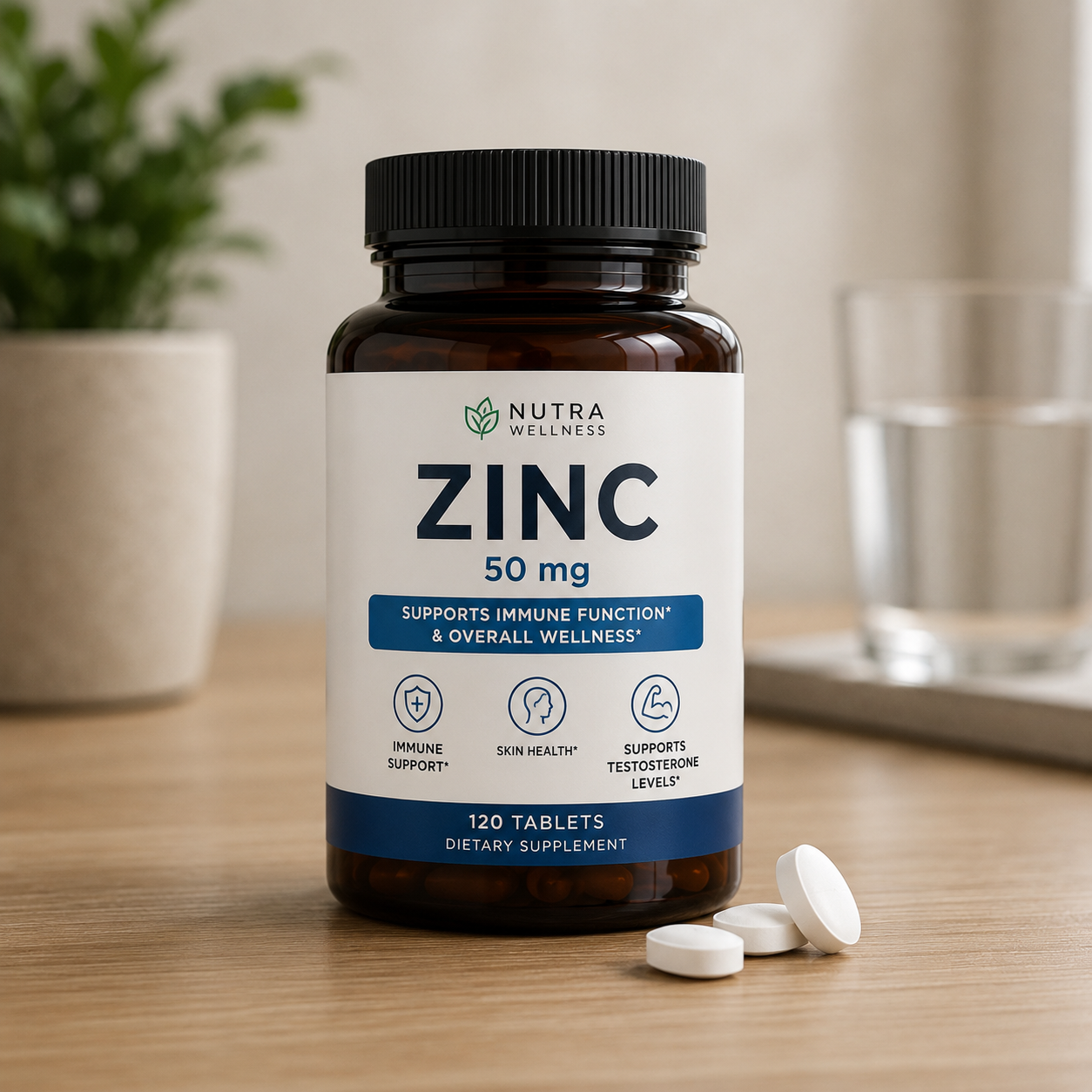
Zinc and Testosterone: Why This Single Nutrient Is Critical for Male Hormones
Zinc is essential for testosterone production. If you're deficient in zinc, your testosterone production is suppressed. Fix the zinc deficiency, and testosterone often bounces back without any other intervention.
This is one of the most direct nutrient-to-hormone relationships in the body. Low zinc equals low testosterone. Adequate zinc supports normal testosterone production.
The problem is most men are zinc deficient and they don't know it. Modern diets are low in zinc. Stress depletes zinc stores. If you're chronically stressed, you're burning through whatever zinc you have.
How Zinc Supports Testosterone Production
Zinc is a cofactor in the enzyme 17-beta-hydroxysteroid dehydrogenase. That's a fancy name for an enzyme that does the final step of testosterone synthesis. Without adequate zinc, that enzyme doesn't work efficiently.
Think of zinc as the key that unlocks the final step of testosterone production. Without it, the machinery shuts down.
This is why zinc supplementation has been shown in studies to restore testosterone levels in zinc-deficient men. It's not a supplement that boosts normal testosterone higher. It's a nutrient that restores normal testosterone production when you're deficient.
Signs You Might Be Zinc Deficient
Weak immune system. You get sick constantly. Zinc supports immune function.
Hair loss or thinning. Zinc is important for hair health.
Poor wound healing. Cuts take a long time to heal.
Brain fog and poor memory.
Sexual dysfunction or low libido. This is often a sign of low testosterone, which could be caused by zinc deficiency.
Skin problems. Acne or slow-healing wounds.
If you have several of these signs, zinc deficiency is a reasonable hypothesis.
The Best Zinc-Rich Foods
Oysters are by far the highest source of zinc. A few oysters give you a significant zinc boost. If you're deficient and you start eating oysters regularly, you'll notice improvements in energy and libido within a couple weeks.
Red meat has substantial amounts of zinc. Beef, lamb. The darker the meat, the more zinc. Chicken has some, but not as much as red meat.
Shellfish beyond oysters: shrimp, crab, lobster all have good amounts of zinc.
Legumes: beans, lentils, chickpeas. If you're vegetarian, legumes are your primary source.
Seeds: pumpkin seeds are particularly high in zinc. Hemp seeds, sunflower seeds. Add them to meals or eat them as a snack.
Nuts: cashews, almonds, and pine nuts have good amounts of zinc.
Dairy: cheese and milk have zinc, though not as much as the above foods.
Getting Enough Zinc Daily
The recommended daily intake for men is 11 mg. But most men consume only 8 to 9 mg daily, putting them in a borderline deficiency state.
If you've been deficient and you want to restore adequate levels, aim for 15 to 20 mg daily from food or a combination of food and supplementation.
This is actually easy to achieve if you're intentional about it. An oyster or two with lunch gets you 10 to 15 mg. A handful of pumpkin seeds gets you several mg. A serving of red meat gets you 5 to 8 mg.
Zinc Supplementation
If you want to supplement, zinc picolinate or zinc glycinate are well-absorbed forms. Zinc lozenges are generally less effective for systemic zinc status.
If you take zinc for a period of time, be aware that long-term high-dose zinc supplementation can interfere with copper absorption, so cycling on and off makes sense. Three months of supplementation, then a break.
The safer approach is to get most of your zinc from food and supplement if needed.
The Timeline for Zinc Correction
If you're deficient and you start increasing zinc intake, most men notice improvements within two to three weeks.
Better energy. More motivation. Improved libido. These are the subjective signs that zinc is being restored.
Within four to six weeks, testosterone levels typically rise measurably if zinc deficiency was a contributing factor.
The degree of improvement depends on how deficient you were. If you were only slightly deficient, the improvement might be modest. If you were significantly deficient, the improvement can be substantial.
Zinc and Immune Function
As a bonus, adequate zinc supports your immune function. You're less likely to get sick. Colds and flus are less severe.
This is especially relevant if you're working out regularly. Hard training suppresses immune function temporarily. Adequate zinc helps you recover and stay healthy.
Combined With Other Nutrients
Zinc works best alongside other nutrients that support testosterone. Adequate vitamin D. Adequate magnesium. Healthy fats. Good quality protein.
If you optimize zinc but ignore the other factors suppressing testosterone, you'll see some improvement but not the complete picture.
But if you address multiple factors at once, zinc is an important piece of the puzzle.
What If Zinc Optimization Isn't Enough
For men whose only issue is zinc deficiency, correcting the deficiency restores testosterone to normal levels.
For men with multiple factors suppressing testosterone, zinc correction is part of the solution but might not be the whole solution. They benefit from addressing sleep, stress, training, body composition, and nutrition simultaneously.
And for men with more significant testosterone deficiency, zinc optimization creates the foundation for testosterone therapy to work optimally.
Start This Week
If you've been struggling with low energy and low libido, add more zinc-rich foods this week.
Include an oyster or two if you like them. They're available at most grocery stores now.
Add a handful of pumpkin seeds to a salad or a meal.
Eat more red meat if you like it.
Within a few weeks, you'll notice if zinc deficiency was a factor.
If you want to test your zinc levels, or if you want comprehensive hormone testing to understand your testosterone status, Modern Health & Wellness can help.
We assess your nutrient status, test your hormones, and help you build a protocol that addresses your specific situation.
Schedule Your Hormone Assessment
Modern Health & Wellness Gilbert/Scottsdale, Arizona Phone: (602) 878-9478 Email: hello@modernhealthaz.com

Nutrition for Testosterone: The Specific Foods That Actually Boost Your Hormone Levels
You can't build testosterone on a garbage diet. Your body needs specific nutrients to manufacture testosterone in the first place. Eat the wrong foods and your body doesn't have the raw materials to make testosterone, no matter what else you do right.
Most men don't realize how directly nutrition impacts testosterone production. They think testosterone is just something you're born with or you're not. That's not accurate. You can influence your testosterone production significantly through what you eat.
Zinc: The Most Critical Nutrient for Testosterone
Zinc is essential for testosterone production. If you're deficient in zinc, you're not going to produce normal testosterone levels. Period. Zinc is a cofactor in the enzyme that does the final step of testosterone synthesis. Without adequate zinc, that last conversion doesn't happen efficiently.
Most men, especially as they get older, are deficient in zinc. Modern diets are low in zinc. Stress depletes zinc. If you're chronically stressed, you're burning through zinc stores.
The solution is eating zinc-rich foods. Oysters are loaded with zinc. A few oysters give you a significant zinc boost. Red meat has plenty of zinc. Pumpkin seeds are excellent. Legumes have good amounts. Chicken, beef, cashews, almonds all work.
If you're getting adequate zinc from food, your testosterone production is supported. If you're deficient, you're fighting an uphill battle no matter what else you do.
Vitamin D: The Hormone Your Body Needs to Make Testosterone
Vitamin D isn't actually a vitamin, it's a hormone. Your body has vitamin D receptors throughout your tissues, including in your testes and in tissues involved in testosterone production. Low vitamin D means your body can't efficiently produce testosterone even if everything else is in place.
Research shows men with adequate vitamin D have testosterone levels about 25 percent higher than deficient men. That's massive from a single nutrient.
The solution is simple. Get sun exposure. Thirty minutes of midday sun a few times per week. You live in Arizona, so this should be easy. But if you're working inside all day, you're probably deficient.
If you want to supplement, ask you provider. Get your vitamin D levels tested. You want to be in the 60 to 80 ng/mL range.
Healthy Fats Support Hormone Production
Your body uses cholesterol and fats to produce testosterone. If you're eating a very low fat diet, your body doesn't have the building blocks it needs to make testosterone.
This doesn't mean eat garbage. It means include good quality fats in your diet. Omega-3 fatty acids from fish, monounsaturated fats from olive oil and avocados, saturated fats from quality sources like grass-fed beef.
These fats support hormone production and the signaling systems your body uses to make testosterone. They also support your brain health and cardiovascular health. There's no downside to eating quality fats.
Protein Supports Muscle and Hormone Production
When you're trying to build or maintain muscle, you need adequate protein. Protein provides the amino acids your muscles need to repair and grow. But protein also supports overall hormone production.
Aim for about 0.8 to 1 gram of protein per pound of body weight. If you weigh 200 pounds, that's 160 to 200 grams of protein daily. It sounds like a lot, but it's not. A chicken breast has 40 grams. A few eggs have 20 grams. Beef has plenty. Fish has plenty.
What About Carbs
Carbs aren't bad for testosterone. In fact, adequate carbs actually support testosterone production. The problem is most people eat refined carbs and sugary foods, which cause insulin spikes.
Chronically elevated insulin suppresses testosterone and accelerates the conversion of testosterone to estrogen. You're working against yourself.
But if you eat whole carbs like oats, sweet potatoes, quinoa, legumes, you get stable energy without the insulin spike. Your testosterone responds well.
The Foods to Eat More of
Build your diet around these foods: beef, chicken, fish, eggs, oysters, legumes, oats, sweet potatoes, rice, quinoa, vegetables, olive oil, avocados, nuts, seeds, dairy if you tolerate it.
These foods provide the nutrients your body needs for testosterone production. They're not boring health foods either. They taste good. They're satisfying.
The Foods to Minimize
Minimize ultra-processed foods, refined sugars, seed oils in processed foods, alcohol in excess, and anything that causes blood sugar spikes.
You don't need to be perfect. But if you eat mostly whole foods and minimize processed junk, your nutrition supports your testosterone rather than suppressing it.
The Meal Structure That Works
Build every meal around three things: a protein source, a vegetable, and a healthy fat.
Breakfast: eggs with toast, vegetables, and olive oil. Or oatmeal with protein powder and berries and nuts.
Lunch: grilled chicken, rice, broccoli, olive oil.
Dinner: beef, sweet potato, salad with olive oil dressing.
Snacks: nuts, fruit, beef jerky, hard boiled eggs.
This approach keeps your blood sugar stable, provides the nutrients your testosterone production needs, and is satisfying.
The Timeline for Nutrition Improvements
When you switch to a nutrition approach that supports testosterone production, most men feel the difference within a week. Better energy. Fewer afternoon crashes. Better workout performance.
Within two to three weeks, you'll see changes in your body composition. You're holding onto muscle better. You're losing fat. This is the nutrition supporting your training and your hormones.
Within four to six weeks, testosterone levels are typically rising if the nutrition was a limiting factor. Energy is higher. Libido is improving. You're noticing the difference.
Nutrition Is the Foundation
You can do everything else right, but if your nutrition is poor, testosterone production suffers. You're missing the raw materials your body needs to produce testosterone.
Fix your nutrition first or alongside everything else. It's that important.
If you want to test your testosterone to see where you stand, or if you want guidance on a nutrition plan specifically designed to support testosterone production, Modern Health & Wellness can help.
We create personalized plans that address not just nutrition but your whole hormone picture, including whether testosterone therapy would benefit you.
Schedule Your Hormone Assessment
Modern Health & Wellness Gilbert/Scottsdale, Arizona Phone: (602) 878-9478 Email: hello@modernhealthaz.com

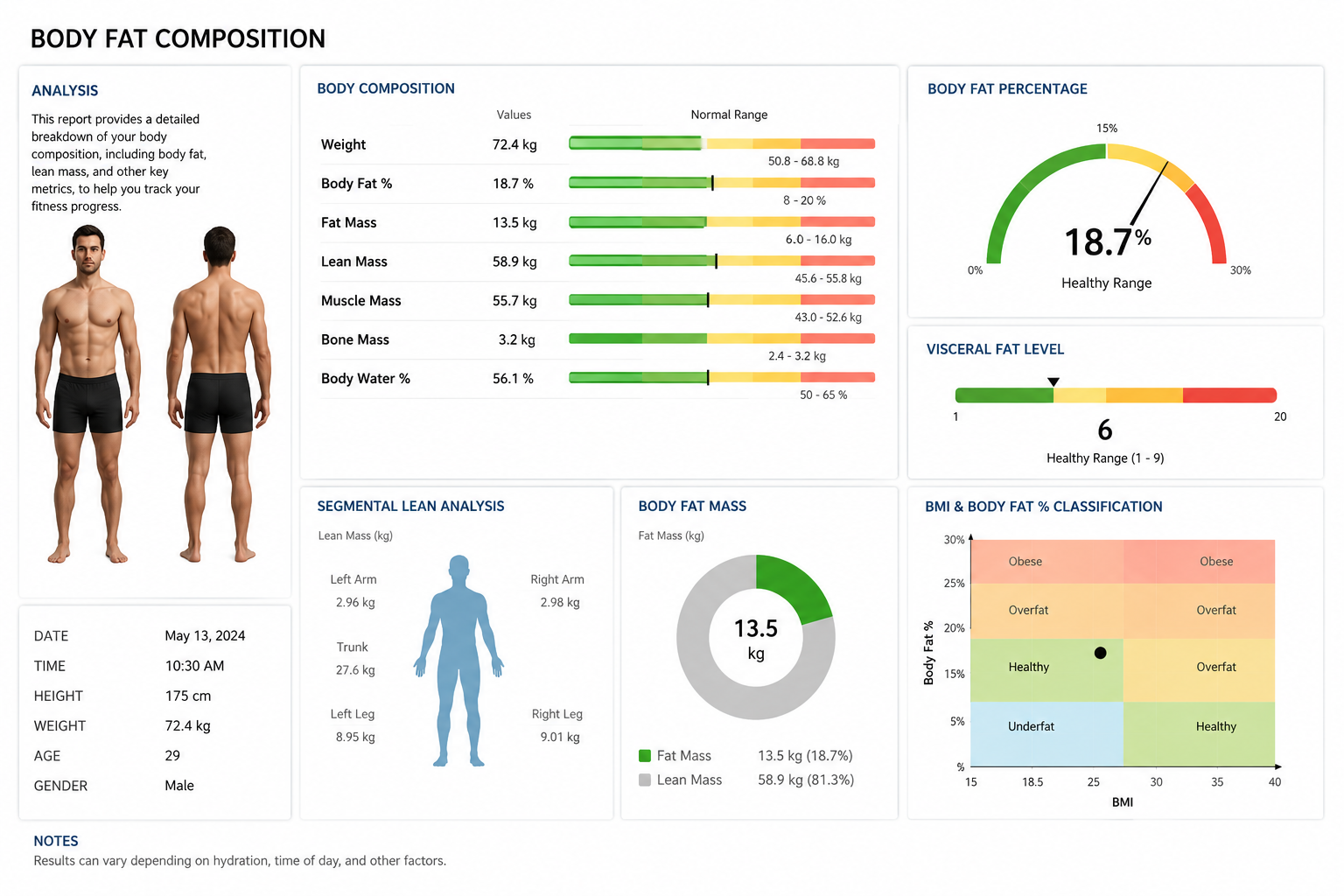
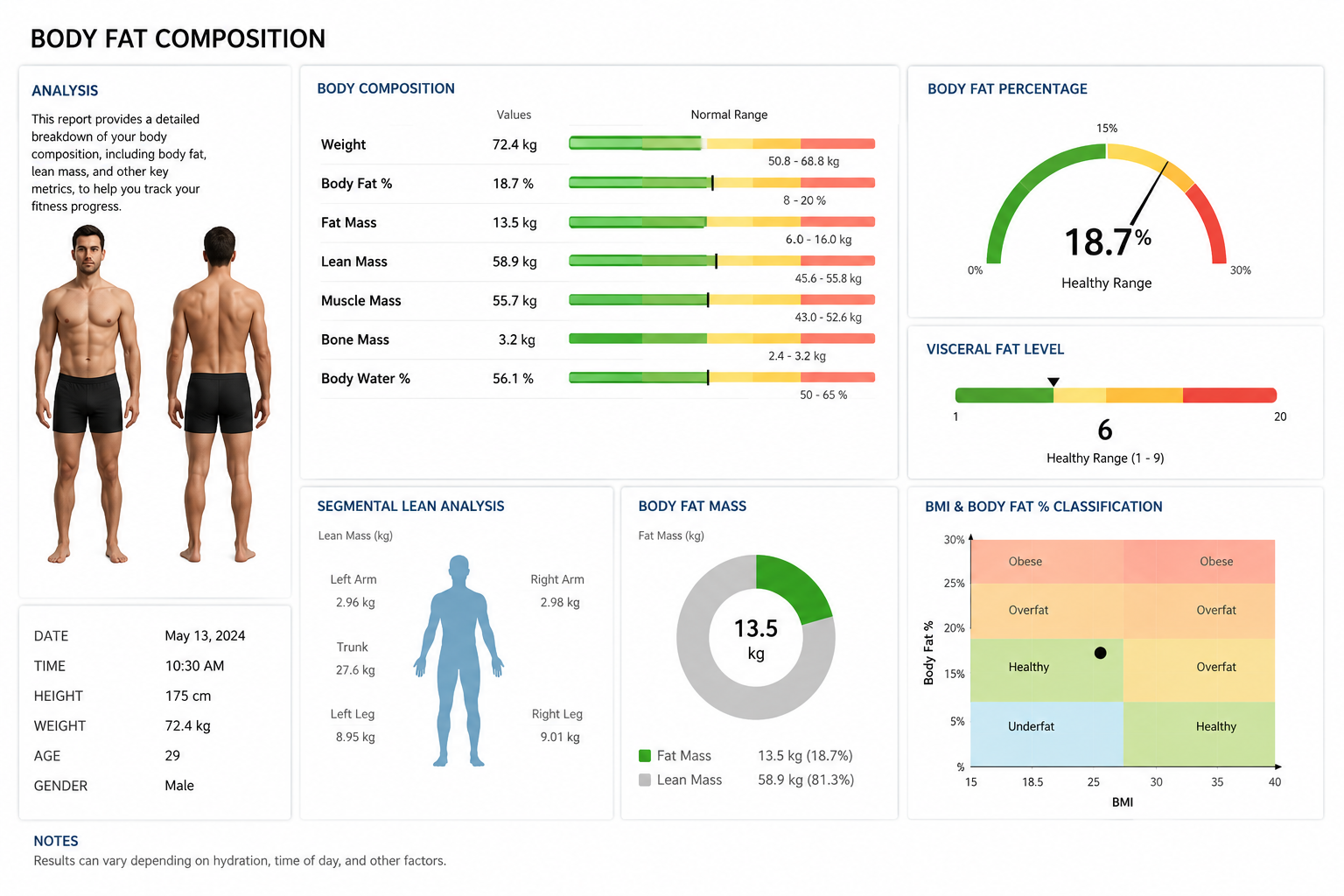
Excess Body Fat Is Converting Your Testosterone Into Estrogen
If you're carrying excess body fat, especially around your midsection, you're essentially running a testosterone-suppressing factory inside your own body. Extra fat produces an enzyme called aromatase, which converts testosterone into estrogen. More fat means more of your testosterone gets converted away.
This is why men with high body fat often have low testosterone and high estrogen, even if their testosterone production is normal. The testosterone is being made, but it's being converted into estrogen before it can do its job.
The Vicious Cycle Most Guys Don't Realize They're In
It starts with one of the other factors we've discussed. Poor sleep. Chronic stress. Sedentary lifestyle. Your testosterone drops. When testosterone drops, you lose muscle mass. Muscle burns calories at rest. When you lose muscle, your metabolism slows down.
Slower metabolism plus less muscle means you gain fat easier. Now you have more body fat. More body fat means more aromatase. More aromatase means more testosterone is being converted to estrogen.
So now your testosterone is even lower and your estrogen is even higher. You feel worse. You're more fatigued. You lose motivation to exercise. You gain more fat. The cycle continues downward.
Most men stuck in this cycle think they need a supplement or they need testosterone therapy. Sometimes they do. But the first thing that needs to happen is breaking the cycle by losing fat.
How Fat Loss Restores Testosterone
When you lose body fat, especially the visceral fat around your abdomen, aromatase activity drops. Less conversion of testosterone to estrogen. Your testosterone levels naturally rise. Your metabolism improves because you have more muscle. Your hormones rebalance.
This is why men who lose 5 to 10 percent of their body weight often see dramatic improvements in testosterone levels without any medical intervention. They break the cycle. Their body starts working for them instead of against them.
The Right Way to Lose Fat Without Killing Your Testosterone
The problem is most guys either do nothing or they crash diet. Crash dieting lowers testosterone because your body perceives it as a threat. Extreme calorie restriction triggers cortisol release and actually suppresses testosterone even more.
The solution is sustainable fat loss combined with strength training.
Strength training is critical because it preserves muscle while you're losing fat. If you just diet without lifting, you lose muscle along with fat. Your metabolism slows even more. Your testosterone drops further.
But if you lift heavy and eat in a moderate calorie deficit, you lose fat while maintaining or even gaining muscle. Your metabolism stays higher. Your testosterone gets back on track.
What a Sustainable Fat Loss Protocol Looks Like
You don't need to be in a massive calorie deficit. You need to be in a modest calorie deficit, maybe 300 to 500 calories below maintenance. You eat adequate protein to support muscle preservation. You eat vegetables and whole foods. You avoid processed junk.
You lift heavy three to four times per week. You do some moderate cardio. You sleep well. You manage stress.
With this approach, most men lose 1 to 2 pounds per week, which is sustainable. More importantly, they preserve muscle. Their energy stays good. Their testosterone responds well.
The Timeline for Fat Loss and Testosterone Recovery
Week one to two: You're in a routine. Your energy is decent. Your body is adapting to the calorie deficit.
Week three to four: You're noticeably stronger in the gym. Your energy is good. Your clothes are fitting slightly different. Testosterone is beginning to rise.
Week six to eight: You've lost 5 to 10 pounds. You look noticeably better. Testosterone is rising. Your libido is improving. Energy is high.
Week twelve to sixteen: You've lost 15 to 20 pounds. Your body composition is transformed. Testosterone is back in a healthy range. Your libido is back. You feel like yourself again.
Body Composition Matters More Than Scale Weight
Don't obsess about the scale. Muscle weighs more than fat. You could be losing 10 pounds of fat while gaining 5 pounds of muscle. The scale says you lost 5 pounds, but your body composition has transformed.
Use how your clothes fit, how you look in the mirror, and how you feel as your measure of progress. Measure your waist circumference. That's a better indicator of fat loss than scale weight.
You Don't Have to Be Lean to Have Good Testosterone
You don't need to be shredded to have healthy testosterone. You just need to get your body fat to a reasonable level, probably under 25 to 30 percent for most men. From there, your aromatase activity drops enough that your testosterone can recover.
This is achievable for most men in three to six months of consistent fat loss plus strength training.
What If Fat Loss Alone Doesn't Restore Testosterone
For many men, especially those in their 40s and 50s who have been overweight for years, fat loss plus strength training plus sleep optimization plus stress reduction will restore testosterone to healthy levels.
For others, usually those with more significant hormonal dysfunction, fat loss creates the foundation that allows testosterone therapy to work more effectively. You get the benefits of the lifestyle changes, and the testosterone therapy brings your levels to optimal.
Start This Week
You don't need to make it complicated. Pick one thing: eat more protein, or cut out sugary drinks, or add a strength training session.
That's your starting point. Build from there.
If you want to test your testosterone to understand where you stand, or if you want to discuss whether fat loss and lifestyle changes will address your symptoms or whether testosterone therapy is appropriate, the Modern Health & Wellness team can help.
We test your hormones, we assess your body composition, and we help you build a plan that actually works for your specific situation.
Schedule Your Testosterone Assessment
Modern Health & Wellness Gilbert/Scottsdale, Arizona Phone: (602) 878-9478 Email: hello@modernhealthaz.com

Stress and Testosterone: How Chronic Stress Is Tanking Your Hormone Levels
Chronic stress doesn't just make you feel anxious or tired. It actively suppresses your testosterone production. When you're in constant fight or flight mode, your body prioritizes survival over hormone production. Your testosterone takes a hit.
Most men don't realize stress is the culprit. They think they need more energy drinks or better supplements. What they actually need is to get out of sympathetic nervous system overdrive.
How Stress Suppresses Testosterone
When you experience stress, real or perceived, your adrenal glands release cortisol. Cortisol is the stress hormone designed to help you handle threats. In short bursts, it's helpful. You feel alert, your muscles tense, you're ready to act.
But when you're stressed constantly, cortisol stays elevated. Elevated cortisol suppresses testosterone production. It also accelerates the conversion of testosterone into estrogen, meaning you're losing testosterone in two ways at once.
Your body literally decides in a stressed state that making testosterone is less important than handling the immediate threat. Evolution designed this way. When you're running from a predator, you don't need testosterone. You need cortisol and adrenaline.
But in modern life, you're not running from predators. You're responding to emails, sitting in traffic, worrying about money. Your body doesn't know the difference. As far as your nervous system is concerned, you're under constant threat. So cortisol stays up. Testosterone stays down.
The Fatigue Becomes a Cycle
Low testosterone makes you tired. Tired people are more reactive to stress. More stress means lower testosterone. You end up in this downward spiral where you're tired and stressed and your testosterone keeps declining.
This is especially true for men who have been in high stress situations for months or years. Their nervous system has basically forgotten how to relax. Cortisol is always elevated. Testosterone is chronically low.
Meditation Actually Works (And It's Not Woo)
Meditation isn't about achieving some mystical state of mind. It's about calming your nervous system. When you meditate, you activate your parasympathetic nervous system, the "rest and digest" side of your nervous system. This turns off the stress response.
Even 10 to 15 minutes of meditation daily lowers cortisol. Lower cortisol means testosterone production can resume.
The research here is solid. Men who practice meditation have better testosterone levels than men who don't. And the effect is measurable within weeks.
The catch is you have to actually do it. Not occasionally. Daily. The same way you'd do a workout.
Other Ways to Lower Cortisol
Meditation works, but it's not the only way to activate your parasympathetic nervous system.
Time in nature works. Thirty minutes in a park or hiking reduces cortisol. Your nervous system calms down. Testosterone production improves.
Deep breathing works. Most stressed people are shallow breathing, which keeps their nervous system activated. Taking slow, deep breaths for a few minutes tells your body "we're safe, we can relax."
Exercise works if it's the right kind. Intense exercise like sprinting or heavy lifting raises cortisol short term, but then it comes back down. The problem is if you're doing intense exercise while also being chronically stressed, cortisol never comes down. Light movement like walking or yoga actually helps lower cortisol.
Social connection works. Talking to friends, spending time with family. These activate your parasympathetic nervous system. Isolation keeps cortisol elevated.
The Timeline for Stress Reduction
Day one: You meditate for 10 minutes. You immediately feel calmer. Cortisol doesn't drop dramatically from one session, but your nervous system gets a signal that you can relax.
Week one: You've meditated five times. You notice you're less reactive to small annoyances. Your afternoon mood crashes are less severe. You're sleeping slightly better.
Week two to three: People around you notice you're calmer. Your stress response to normal frustrations is noticeably lower. Your energy is higher because you're not burning cortisol constantly.
Week four: Your libido is improving. Your workouts feel better. You're recovering better from training. Testosterone is beginning to rise as cortisol comes down.
Week six to eight: You feel like yourself again. The constant anxiety is gone. Energy is stable. Libido is back. Testosterone levels are rising.
The Difference Between Stress Reduction and Just Distraction
A lot of guys think scrolling social media or binge watching Netflix is stress reduction. It's not. It's distraction. Your nervous system is still activated.
Real stress reduction means actually calming your nervous system. Meditation, time in nature, deep breathing, movement. These are the tools that work.
Combined Approach Often Works Best
If you've been stressed for a long time, stress reduction alone might not be enough to completely restore testosterone. Your system needs time to recover.
That's where combining lifestyle changes with testosterone testing becomes important. You optimize stress reduction, you improve sleep, you start lifting, and you monitor your testosterone to see if those changes are enough or if you need additional support like testosterone therapy.
Most men find that when they combine stress reduction with sleep optimization and strength training, their testosterone responds well. But for some men, especially those with years of chronic stress, testosterone therapy accelerates the recovery.
What You Can Do This Week
Start one thing this week. Not five things. One.
Pick meditation, or time in nature, or start a daily walk. Do it consistently for a week. You'll notice your nervous system calming down. Cortisol will begin to drop. Testosterone will start to rise.
From there, add another tool. Stack them over time.
If you want to test your testosterone levels to see where you stand, or if you want to discuss whether stress reduction and lifestyle changes will address your symptoms or whether you need clinical support, Modern Health & Wellness can help.
We test your hormone levels and help you build a protocol that works for your specific situation, whether that's stress management plus lifestyle optimization or whether you benefit from combining that with testosterone therapy.
Schedule Your Testosterone Assessment
Modern Health & Wellness Gilbert/Scottsdale, Arizona Phone: (602) 878-9478 Email: hello@modernhealthaz.com


Sleep and Testosterone: Why Your Bedroom Might Be Sabotaging Your Hormone Health
Your testosterone gets made while you sleep. Not during the day. Not at the gym. While you're asleep. If you're not sleeping well, your testosterone doesn't have a chance to recover, which means your levels stay depressed.
This is one of the most underrated testosterone killers, especially for men in Arizona working high stress jobs and staying up late scrolling their phones.
Where Testosterone Gets Made
During deep sleep and REM sleep, your body goes into production mode. Testosterone synthesis happens at its highest levels during sleep. If you're only getting 5 or 6 hours of poor quality sleep, your body barely has time to manufacture testosterone. You're essentially running a deficit every single day.
Compare this to a guy getting 7 to 9 hours of solid sleep every night. His body gets enough time to produce testosterone, repair muscle from training, and reset his nervous system. His testosterone stays elevated. His energy stays high. His libido stays intact.
The science is straightforward. Studies show men sleeping only 5 hours per night have testosterone levels comparable to men 10 years older. That's not a small difference. That's a decade worth of testosterone decline from one thing: not sleeping enough.
The Cortisol Problem
When you're chronically sleep deprived, your body stays elevated in cortisol, the stress hormone. Cortisol and testosterone have an inverse relationship. When cortisol is high, testosterone is low.
This creates a vicious cycle. You don't sleep well, so cortisol stays elevated. Elevated cortisol suppresses testosterone production. Low testosterone makes you anxious and wired, which makes it harder to sleep. So you sleep worse the next night. Cortisol goes higher. Testosterone goes lower.
Most men in this situation don't realize sleep is the problem. They think they need caffeine or energy supplements. What they actually need is to fix their sleep.
How Poor Sleep Tanks Your Libido
One of the first things men notice when testosterone drops is a loss of interest in sex. This isn't psychological. It's hormonal. Testosterone directly drives libido. When you're not sleeping, your testosterone is depressed, so your libido disappears.
A lot of guys get frustrated thinking something is wrong with their relationship or that they're depressed. Sometimes they are. But usually the real issue is that they haven't slept properly in months.
The Temperature Thing Actually Works
Your body temperature needs to drop for deep sleep to happen. This is basic physiology. When your bedroom is too warm, your body can't achieve the temperature drop needed for deep sleep.
Keep your bedroom cool. Around 65 to 68 degrees is the sweet spot for most people. It sounds cold when you're awake, but once you're under blankets, it's the perfect temperature for sleep. If your bedroom is 72 degrees or warmer, you're fighting against your own biology.
This alone can dramatically improve your sleep quality. Better sleep means more testosterone production.
Blue Light Is Killing Your Testosterone
Your body produces melatonin when it gets dark. Melatonin tells your body it's time to sleep. But if you're staring at your phone or your laptop an hour before bed, you're exposing yourself to blue light, which suppresses melatonin production.
Your body thinks it's still daytime. Your cortisol stays elevated. Melatonin doesn't rise. You lie in bed for an hour unable to sleep. When you finally do sleep, it's shallow sleep, not the deep sleep where testosterone gets made.
Stop using screens an hour before bed. Seriously. This single change improves sleep quality for most people. And better sleep quality means better testosterone production.
A Consistent Sleep Schedule
Your body likes rhythm. When you go to bed and wake up at wildly different times, your body is constantly adjusting. Your cortisol rhythm gets disrupted. Your sleep quality suffers.
Going to bed at 10:30 PM and waking up at 6:30 AM, every single day including weekends, is better for testosterone than sleeping until 10 AM on Saturday. Consistency matters more than total sleep time, though you still want 7 to 9 hours.
The Real Timeline
Night one: You sleep better because your bedroom is cooler and you're not on your phone.
Night three to five: You notice you don't feel as groggy in the morning. Your afternoon energy crash is less severe.
Week two: You're noticeably more energetic throughout the day. Your workout performance improves. You feel more motivated.
Week three to four: This is when most men start noticing improved libido. Testosterone is rising. Energy is consistently high.
Month two and beyond: You're sleeping deeply. You're waking up without an alarm feeling rested. Your energy is stable all day. Your body composition is improving because recovery is better. Your testosterone is back in a healthy range.
Supplements Can Help, But They're Secondary
Magnesium glycinate before bed can improve sleep depth. Melatonin can help if your rhythm is really disrupted. But these are supporting tools, not the main thing.
The main thing is fixing the fundamentals: cool bedroom, no blue light before bed, consistent sleep schedule. Fix those and you probably don't need supplements.
What If Sleep Optimization Isn't Enough
For most men, optimizing sleep produces noticeable testosterone improvement within 2 to 3 weeks. But for men whose testosterone has been suppressed for years, sleep optimization might be part of the solution but not the whole solution.
That's when you might benefit from testosterone testing and potentially testosterone therapy. Sleep optimization keeps testosterone elevated once it's brought back to normal. But if you're significantly deficient, you might need clinical support to get there.
Start Tonight
You don't need to do everything perfectly. Start with one change tonight. Make your bedroom cooler. That's it. No phones an hour before bed tomorrow night. That's your second change.
In a week, you'll notice better sleep. In a few weeks, you'll notice better energy and improved libido. Your testosterone will follow.
If you want to test your testosterone to see where you actually stand, or if you want to understand whether sleep optimization alone will address your symptoms or whether you need additional support, the Modern Health & Wellness team in Arizona can help.
We run comprehensive testosterone testing and help you build a plan that works for your specific situation, whether that's optimizing lifestyle or combining lifestyle with testosterone therapy.
Schedule Your Hormone Assessment
Modern Health & Wellness Gilbert/Scottsdale, Arizona Phone: (602) 878-9478 Email: hello@modernhealthaz.com


Heavy Lifting: The Fastest Way to Raise Your Testosterone
If you want to boost testosterone without medication or supplements, heavy strength training is your best bet. This isn't theoretical stuff. Heavy lifting consistently raises testosterone levels in measurable ways. And the effect happens fast.
Here's what's actually happening in your body when you lift heavy.
Why Heavy Lifting Raises Testosterone
When you pick up a heavy weight, you create micro-tears in your muscle fibers. Your body recognizes this as a signal that it needs to rebuild and adapt. To do that, it releases testosterone, growth hormone, and other anabolic hormones. Those hormones are what repair your muscles and make them bigger and stronger.
The heavier you lift and the more challenging the weight, the bigger the hormonal response. Light weights? Your body doesn't feel threatened enough to mobilize testosterone. But heavy compound movements like squats where you're loading significant weight on your spine? Your body says "okay, we need testosterone for this."
This is why guys who lift heavy consistently have higher testosterone levels than sedentary men. It's not magic, it's physiology.
Progressive Overload Is the Key
The problem most guys run into is they do the same thing every week. Same weight, same reps, same exercises. After a few weeks, your body adapts. The stimulus diminishes. Testosterone response drops off.
Progressive overload means you're constantly increasing the challenge. You add weight. You add reps. You improve your form and go deeper. Your body keeps having to adapt, which means it keeps releasing testosterone.
That's why guys who actually track their strength progress and push to get stronger see testosterone rise month after month. Guys who just go to the gym and move weight around without pushing themselves don't see the same response.
The Best Exercises for Testosterone
Not all exercises trigger the same testosterone response. Compound movements that engage large muscle groups create the biggest hormonal response.
Squats are probably the most testosterone-boosting exercise you can do. You're loading your legs, your posterior chain, your core. It's a massive movement. Deadlifts are right there too. You're moving serious weight and engaging your entire body. Bench press works. Barbell rows work. Any heavy compound movement where you're engaging multiple muscle groups creates a testosterone spike.
Machine isolation work? Less effective. Bicep curls? Fine for arm development, but they're not triggering your testosterone the same way a barbell squat does.
How Often Should You Lift
Three to four strength training sessions per week is the sweet spot for testosterone production. You want enough frequency that you're consistently triggering the testosterone response. But you also need recovery time between sessions.
Here's the thing most guys miss: testosterone is produced during recovery, not during the workout. If you're training hard every single day without adequate recovery, you're actually suppressing testosterone because you're elevating cortisol (the stress hormone) and not giving your body time to produce testosterone.
So you want intense lifting sessions followed by actual recovery days. Heavy lifting three times a week, active recovery on other days. That rhythm keeps testosterone elevated consistently.
Sleep and Recovery Matter More Than the Workout
You can do the perfect heavy lift session, but if you go home and sleep 5 hours, your testosterone won't rise much. The testosterone response happens during recovery. Deep sleep is where your body actually manufactures testosterone.
This is why guys who combine heavy lifting with good sleep see dramatic testosterone increases. The lifting provides the stimulus. Sleep provides the time for your body to respond to that stimulus.
Getting Started With Heavy Lifting
If you've been sedentary or you haven't lifted seriously in years, you don't start by maxing out. You start by learning proper form and building a baseline of strength.
Find a program that focuses on compound movements. Starting Strength, StrongLifts 5x5, or something similar. Learn proper form. Start with weights that feel challenging but manageable. Focus on progressive overload, meaning you're adding weight or reps every week or two.
Most men see noticeable improvements in strength and energy within 4 to 6 weeks. Testosterone levels typically start rising within 2 to 3 weeks of consistent heavy lifting.
The Testosterone Timeline
Week one to two: You feel sore. Your body is adapting.
Week two to three: You start noticing increased energy. This is usually when you feel the first testosterone bump.
Week four to six: You're noticeably stronger. Clothes fit different because you're building muscle. Libido often improves here because testosterone is rising.
Week eight to twelve: This is when people really start seeing the payoff. Better muscle definition. Sustained energy throughout the day. Significantly improved libido. Measurable improvements in strength.
What If Heavy Lifting Isn't Enough
For many men, especially younger men with moderate testosterone decline, heavy lifting alone is enough to get testosterone back to healthy levels. The energy comes back. The libido returns. Muscle starts coming back.
For other men, usually those with more significant testosterone deficiency or those whose symptoms have been going on for years, heavy lifting works great alongside testosterone therapy. You get the benefits of the strength and the muscle building, and the testosterone therapy brings your levels to optimal.
Either way, heavy lifting is part of the solution. There's no scenario where it doesn't help.
Start This Week
If you've been dealing with fatigue, low libido, and muscle loss, one of the fastest ways to start addressing that is to start lifting heavy. This week. Not next month, not when you get in shape. This week.
You don't need to be perfect. You need to start. Find a program, learn the movements, and start challenging your body with heavy weights. Your testosterone will respond.
If you want to test your testosterone levels to see where you actually stand, or if you want to discuss whether heavy lifting alone is enough for you or whether you should consider testosterone therapy as part of your protocol, the team at Modern Health & Wellness can help.
We test your testosterone, help you understand what your numbers mean, and create a plan that might include heavy lifting, lifestyle optimization, and clinical support if that's what you need.
Schedule Your Testosterone Assessment
Modern Health & Wellness Gilbert/Scottsdale, Arizona Phone: (602) 878-9478 Email: hello@modernhealthaz.com
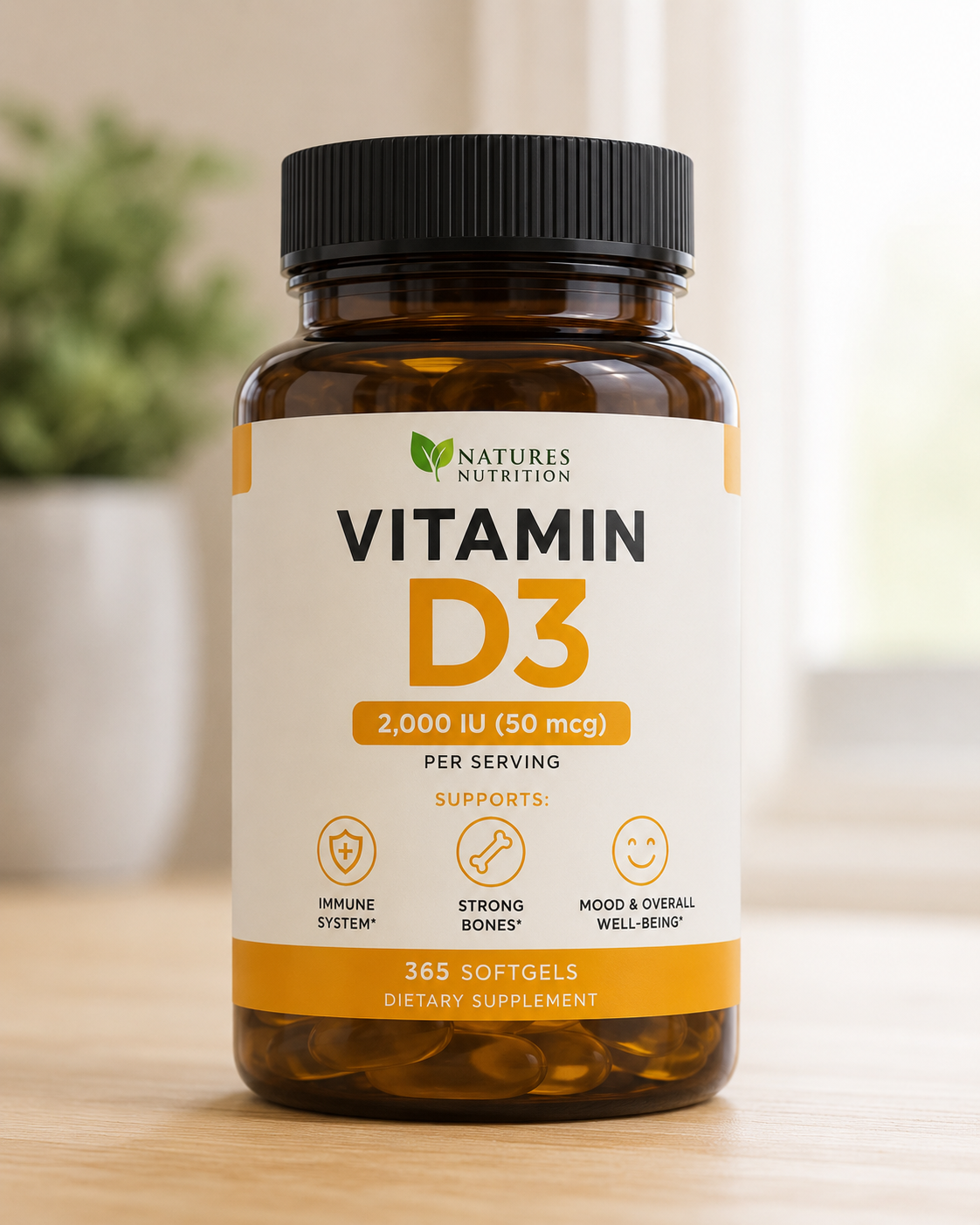
Vitamin D and Testosterone: Why You Might Be Deficient and Not Know It
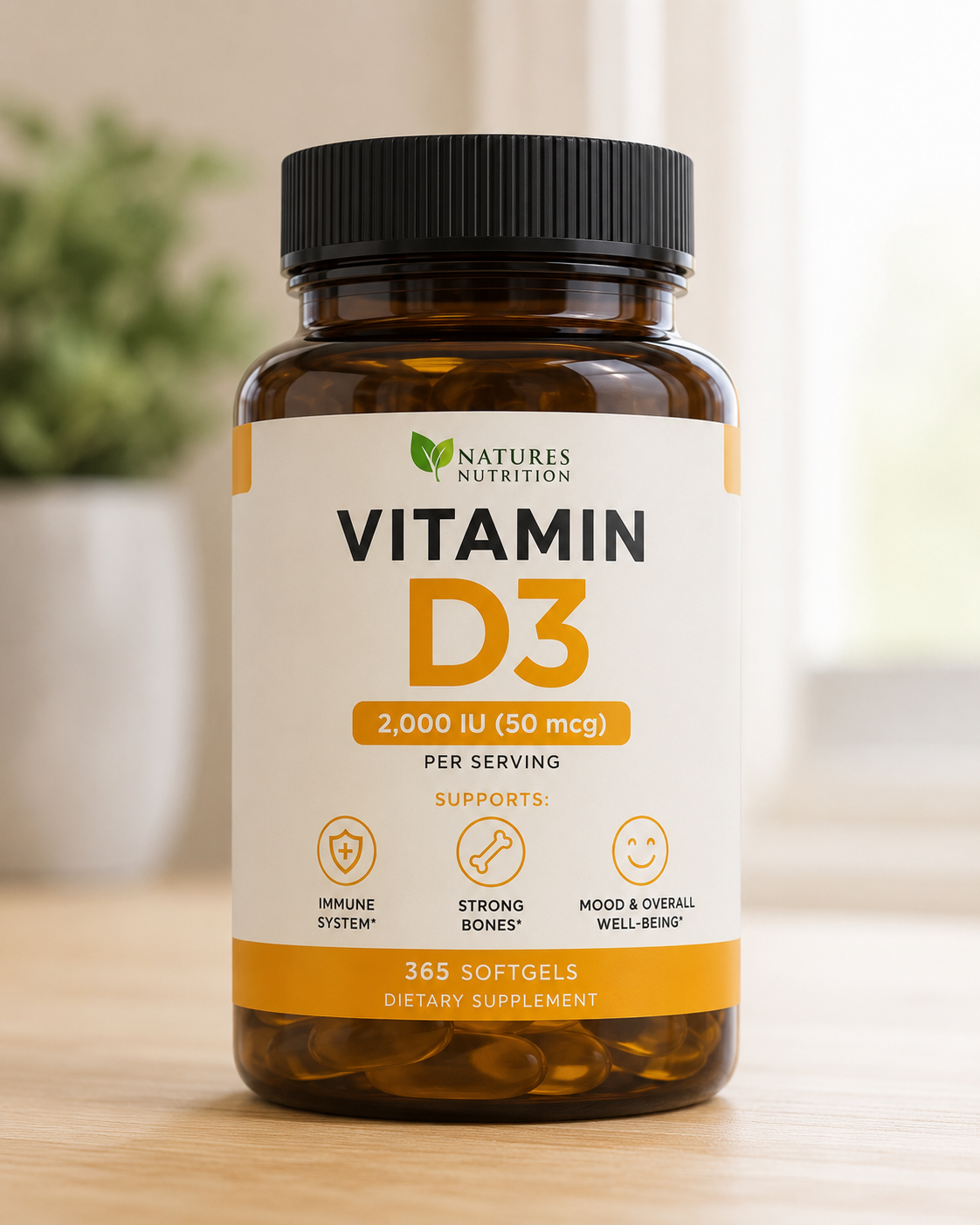
Vitamin D deficiency has basically become the norm, and it's directly affecting your testosterone. Research shows men with adequate vitamin D have testosterone levels about 25 percent higher than deficient men.
That's not a small difference. That's a massive hormonal advantage from optimizing one nutrient.
The irony is you live in Arizona. You have sun year-round. But most men still end up deficient because they work inside all day, and they don't spend enough time in the sun during peak hours when vitamin D synthesis is most efficient.
Vitamin D Is a Hormone, Not a Vitamin
This is important to understand. Vitamin D doesn't work like a vitamin. It works like a hormone. Your body produces vitamin D when your skin is exposed to sunlight, and then vitamin D travels throughout your body and affects hormone production in multiple systems.
Your testes have vitamin D receptors. The tissues involved in testosterone production have vitamin D receptors. Low vitamin D means your body can't efficiently signal testosterone production.
It's not a deficiency problem like not getting enough vitamin C. It's a hormone deficiency problem.
How Much Vitamin D Do You Actually Need
Most guidelines say 1000 to 2000 IU is adequate. But most research on testosterone shows you need higher levels for optimal hormone production.
The vitamin D sweet spot for testosterone is probably 60 to 80 ng/mL, which usually requires 2000 to 4000 IU daily from supplementation, plus sun exposure.
Most Americans, even those in sunny climates like Arizona, are at 20 to 30 ng/mL, which is considered insufficient. They're not getting enough vitamin D to optimize testosterone production.
Sun Exposure Is the Best Source
Your body produces vitamin D most efficiently from direct sunlight. Thirty minutes of midday sun, several times per week, produces significant vitamin D.
The key is midday sun. Early morning or late afternoon sun doesn't trigger as much vitamin D production. Midday sun, when the sun is highest in the sky, is when your skin produces vitamin D most efficiently.
You don't need to sit in the sun for hours. Thirty minutes is enough. And you live in Arizona, so this should be easier for you than for most people.
The catch is a lot of men work inside all day. They might go from their house to their car to their office to their car back to their house. They're not getting outside during midday.
That's where supplementation comes in.
Supplementation If You Can't Get Sun Exposure
If you're working inside all day and you can't get regular sun exposure, supplementation is the answer.
Vitamin D3 is the right form. Make sure you speak to your provider to know the dose you should be on. It's inexpensive. It's safe. It's effective.
Most men notice improvements in energy and mood within a week or two of starting vitamin D supplementation, assuming they were deficient.
Why Food Isn't Enough
Some foods contain vitamin D. Fatty fish like salmon and mackerel have it. Egg yolks have it. Mushrooms that have been exposed to sunlight have it.
But you'd have to eat a lot of these foods to get adequate vitamin D from diet alone. It's not practical. Sun exposure plus supplementation is more effective.
Testing Your Vitamin D Levels
Get your vitamin D levels tested. It's a simple blood test. Your doctor can order it, or you can order it yourself through services like Quest Diagnostics.
Find out where you actually stand. If you're deficient, ask your provider if you can supplement Vitamin D to bring your levels up within a few months.
Retest in three months to make sure you're in the 40 to 60 range. If you're still low, increase supplementation slightly.
The Vitamin D and Testosterone Timeline
Day one: You start taking vitamin D3 or getting more sun exposure.
Week one to two: You feel more energetic. Your mood improves. These effects happen before testosterone levels significantly rise, but they're real.
Week three to four: You start noticing better sleep quality. Vitamin D supports better sleep, and better sleep supports testosterone production.
Week four to six: If you were deficient, testosterone is rising. Energy is higher. Workout performance is better. Libido is improving.
Month two and beyond: Vitamin D levels are optimized. Testosterone levels are higher. You're feeling significantly better overall.
Vitamin D Supports More Than Just Testosterone
While we're talking about testosterone, vitamin D also supports bone health, immune function, mood, and cardiovascular health. Optimizing vitamin D has benefits way beyond testosterone, though testosterone is one important benefit.
The Investment Is Minimal
A bottle of vitamin D3 costs ten bucks and lasts three months. This is one of the cheapest, most effective interventions you can do for hormone health.
Combined With Other Strategies
Vitamin D optimization works best alongside the other strategies we've discussed. Good sleep, strength training, nutrition, stress management, and optimized vitamin D. Together, these address most of the factors that suppress testosterone.
For some men, especially younger men with moderate testosterone decline, these strategies alone restore testosterone to healthy levels. For others, especially those with more significant deficiency or those whose symptoms have been severe, these strategies create the foundation for testosterone therapy to work optimally.
Get Your Levels Tested
This week, either get 30 minutes of midday sun and commit to it a few times per week, or order a bottle of vitamin D3 and start supplementing.
If you want to know your actual vitamin D levels and understand how that's impacting your testosterone, Modern Health & Wellness can test both.
We run vitamin D testing, testosterone testing, and comprehensive hormone panels. We help you understand where you stand and what interventions will actually help you.
Schedule Your Hormone Assessment
Modern Health & Wellness Gilbert/Scottsdale, Arizona Phone: (602) 878-9478 Email: hello@modernhealthaz.com

10 Natural Ways to Boost Testosterone and Optimize Hormone Health
It All Begins Here
If you're a man in your 30s, 40s, or 50s living in Arizona and you're struggling with fatigue that no amount of coffee can fix, your libido has tanked, and you can't seem to hold onto muscle no matter how hard you hit the gym, I want you to know something: this is real. What you're experiencing is likely andropause, which is basically low testosterone. And it's becoming increasingly common in men your age.
The symptoms hit different. You get that afternoon energy crash around 2 PM that makes work feel impossible. You've lost the drive and motivation you used to have. The muscle you worked so hard to build? It's slipping away. Your relationship feels the strain too because your interest in intimacy has just... evaporated.
Here's what's happening: testosterone is the hormone that runs your show. It controls your muscle mass, your energy levels, your mood, your libido, and how your body burns fat. For most men, testosterone starts declining around age 30, dropping about 1% per year. Add stress, bad sleep, a desk job, and poor eating habits on top of that, and you're looking at low testosterone levels that are tanking your quality of life.
The good news? You have options. You don't have to just accept this as part of aging. Whether you're interested in natural testosterone optimization through lifestyle changes or whether you're ready to explore testosterone therapy like TRT, there are real solutions that work.
This guide walks you through 10 concrete strategies to boost testosterone naturally. Some of these changes can shift your testosterone levels significantly on their own. Others work even better alongside testosterone therapy if that ends up being the right path for you.
Let's get into it.
1. Lift Heavy: The Power of Resistance Training
Here's something that actually works to raise testosterone: heavy strength training. And we're talking real lifting, not just going through the motions on machines. Compound movements like squats, deadlifts, bench presses, and barbell rows trigger a measurable testosterone response in your body.
The reason this works is straightforward. When you lift heavy, you create micro-tears in your muscle fibers. Your body responds by releasing testosterone, growth hormone, and other anabolic hormones to repair and rebuild that muscle. The heavier you lift and the more progressive overload you create (meaning you keep pushing weight up over time), the bigger the testosterone spike.
The key is consistency and progressive overload. You can't just do the same weight every week and expect testosterone to keep rising. You need to actually challenge yourself. Aim for 3 to 4 strength sessions per week, focusing on those compound movements that engage your whole body. And here's the thing most guys miss: testosterone production happens during recovery, not during the workout itself. So rest days matter just as much as workout days. If you're barely recovering between sessions, you're leaving gains on the table.

2. Prioritize Sleep: Your Hormone Factory
You know that feeling when you haven't slept well and you're running on empty? That's not just about feeling tired. Your testosterone takes a hit too. Sleep is where your body manufactures testosterone. During deep sleep and REM sleep, that's when your testosterone production peaks.
The connection is direct. Studies show that men sleeping only 5 hours a night have testosterone levels comparable to men 10 years older. And it gets worse with chronic sleep deprivation. When you're not sleeping enough, your cortisol (the stress hormone) stays elevated, and elevated cortisol actually suppresses testosterone. You end up in this downward spiral where poor sleep leads to low testosterone, which leads to fatigue and poor mood, which leads to more sleep problems.
So here's what actually moves the needle: aim for 7 to 9 hours of solid sleep every night. I know that sounds like a lot, but this is where testosterone gets made. Make your bedroom work for sleep. Keep it cool, around 65 to 68 degrees. Get rid of blue light from screens about an hour before bed. And stick to a consistent sleep schedule, even on weekends. Your testosterone (and your whole body) works better when it knows what to expect.
3. Master Stress Management: Break the Cortisol Cycle
Chronic stress is one of the biggest testosterone killers, and most guys don't even realize it's happening. When you're stressed out, your body doesn't care about building muscle or maintaining libido. It's in survival mode, pumping out cortisol to handle the threat. Over time, elevated cortisol suppresses the system that produces testosterone.
Think about it this way. When you're stressed, your body essentially says "we need to deal with this immediate problem, so testosterone production can wait." And if you're chronically stressed (which, let's be honest, most of us are), your testosterone never recovers. Your adrenal glands get exhausted trying to manage all that stress, and your testosterone keeps dropping.
The solution is actually pretty simple, but most men skip it. You need to actually spend time reducing stress. That means meditation, deep breathing, yoga, or even just spending time in nature. You don't need to do this for hours. Even 10 to 15 minutes a day of actual stress management can shift your nervous system from fight or flight mode into rest and recovery mode. And when you're in rest and recovery mode, your body can finally make testosterone again.
4. Achieve a Healthy Body Composition
Here's something nobody wants to hear but it's true: if you're carrying excess body fat, especially around your midsection, you're essentially manufacturing estrogen and suppressing testosterone. Extra body fat produces an enzyme called aromatase, which converts testosterone into estrogen. More fat means more of your testosterone is getting converted away from you.
This creates a nasty cycle. Low testosterone leads to muscle loss and slower metabolism. Slower metabolism plus less muscle leads to easier fat gain. More fat means more aromatase, which means even lower testosterone. Before you know it, you're in a downward spiral that's hard to climb out of.
The way to break this cycle is straightforward but requires consistency. Combine strength training (which we covered above) with a diet that supports fat loss without destroying your metabolism. You're not doing some crash diet here. You want to lose fat while preserving muscle. That means adequate protein, plenty of whole foods, and a calorie deficit that's sustainable. Even losing 5 to 10 percent of your body weight can produce measurable improvements in testosterone levels. And once your testosterone starts rising, the muscle comes back easier and the fat comes off easier. It's like the cycle finally starts working in your favor.
5. Fuel Your Body: Nutrition for Optimal Testosterone
You can't build testosterone on a garbage diet. Your body needs specific nutrients to actually manufacture testosterone in the first place. Three nutrients matter most here.
Zinc is essential for testosterone production. If you're deficient in zinc, you're not going to produce normal testosterone levels, period. You get zinc from oysters (they're loaded with it), beef, pumpkin seeds, and legumes.
Vitamin D acts like a hormone in your body and directly regulates testosterone production. Most men are deficient in vitamin D, especially in Arizona during winter months. You get it from fatty fish like salmon and mackerel, egg yolks, and mushrooms that have been exposed to sunlight. Or you can just get outside in the sun.
Healthy fats support hormone production and the signaling systems your body uses to make testosterone. This means omega-3s (fatty fish, flaxseeds), monounsaturated fats (olive oil, avocados), and quality saturated fats (grass-fed beef, coconut oil).
How you structure your meals matters. Build every meal around a protein source, colorful vegetables, and a healthy fat. Skip the ultra-processed stuff and refined carbs. Those cause insulin spikes that mess with your hormonal balance. When your insulin is constantly elevated, your testosterone tends to be suppressed.
6. Optimize Vitamin D Status
Vitamin D deficiency has basically become the norm, and it's hurting your testosterone. Research shows that men with adequate vitamin D have testosterone levels about 25 percent higher than deficient men. That's a massive difference from literally just optimizing one nutrient.
The reason is that vitamin D isn't actually a vitamin, it's a hormone. Your body has vitamin D receptors all over the place, including in your testes and in tissues involved in testosterone production. Low vitamin D means your body can't efficiently produce testosterone even if everything else is in place.
So what do you actually do about it? Get some sun. Aim for 20 to 30 minutes of midday sun exposure a few times per week. That's it. If you're in Arizona, you have no excuse here, you have sun year round. But if you're working inside all day, consider supplementing.
7. Include Zinc-Rich Foods in Every Meal
Zinc is critical for testosterone production. Men with low zinc have measurably lower testosterone. And here's the thing: if you correct a zinc deficiency, testosterone often comes right back up. It's one of the most direct nutrient-to-hormone relationships out there.
Zinc is involved in the enzyme that does the final step of testosterone production. Without enough zinc, that last conversion doesn't happen efficiently. You also need zinc for sperm health and fertility, so if low libido and sexual performance are part of your low testosterone problem, zinc is doubly important.
The simple solution is to eat zinc-rich foods at every meal. Oysters are the highest source. Red meat and poultry have plenty of zinc. If you eat shellfish, grab them whenever you can. Legumes like beans and lentils have good amounts. Seeds like pumpkin, hemp, and sunflower seeds are easy to add to meals. Almonds and cashews work too.
If you're vegetarian or vegan, you're going to need to be more intentional here. Load up on legumes and seeds, and talk to someone like our team at Modern Health & Wellness about whether supplementation makes sense for you.
8. Reduce Alcohol Consumption
If you're trying to boost testosterone, alcohol is working against you. Even moderate drinking suppresses testosterone, and the effect is pretty immediate. Have a few drinks and your testosterone takes a hit that same day.
Here's what's happening. Alcohol interferes with the part of your brain that controls testosterone production. The hypothalamus and pituitary gland basically run the whole show, and alcohol messes with their signaling. Alcohol also increases aromatase activity, which means more of your testosterone is being converted into estrogen. If you're drinking regularly, you're chronically converting away your testosterone.
And with chronic drinking, the damage gets worse. Your testes themselves actually get damaged by chronic alcohol use. You're not just temporarily suppressing testosterone, you're potentially damaging your ability to produce it.
So here's what works: limit yourself to 1 to 2 drinks per week, maximum. If testosterone is a real priority for you, consider cutting out alcohol entirely for 30 days. See what happens to your energy, your libido, your body composition. Most guys are shocked at the difference when they cut alcohol out. You might decide it's worth it.
9. Stay Hydrated and Minimize Sugar
Dehydration messes with every system in your body, including hormone production. You're not producing testosterone efficiently if you're constantly dehydrated. Meanwhile, excess sugar is actively suppressing your testosterone.
Here's the mechanism: when you consume a lot of sugar, your insulin spikes. Chronically elevated insulin suppresses testosterone and accelerates the conversion of testosterone into estrogen. You're essentially working against yourself.
The fix is simple. Drink about half your body weight in ounces of water per day. If you weigh 200 pounds, that's 100 ounces. Adjust that number up if you're exercising or in the Arizona heat. Get rid of sugary drinks entirely. Replace them with water, herbal tea, or black coffee. And swap out refined carbs for whole foods like oats, sweet potatoes, quinoa, and legumes that give you steady energy without the insulin spike.
This is one of those changes where you'll feel it almost immediately. Better hydration, fewer blood sugar crashes, and more stable energy throughout the day. Your testosterone will follow.
10. Move Consistently: The Underrated Power of Regular Activity
We talked about heavy lifting for testosterone, but overall movement matters too. A sedentary lifestyle actively suppresses testosterone. On the flip side, consistent movement supports healthy testosterone levels.
The key is balance here. You want heavy strength training to trigger testosterone production. You want moderate cardio a few times a week (20 to 30 minutes of running, cycling, rowing, whatever you'll actually do). And you want low-intensity movement like walking, stretching, and mobility work on your recovery days.
The trap most guys fall into is overdoing the cardio without adequate recovery. Excessive endurance exercise without proper rest can actually elevate cortisol and suppress testosterone. You're working against yourself. Think of movement as medicine. Heavy lifting is the strong dose. Moderate cardio supports health. Easy walking is maintenance. You need all three.
Schedule your workouts like they're business meetings. Don't skip them. Mix your intensities so you're not hammering yourself every single day. Heavy lift days, moderate cardio days, and easy movement days. That's how you build and maintain testosterone.
The Synergy Factor: Why These Work Better Together
Here's the thing: these 10 strategies don't work great in isolation. They work best together. Better sleep improves recovery from training and stabilizes your mood. Stress management protects your testosterone from getting tanked by cortisol and restores your libido. Proper nutrition fuels your workouts and the actual production of testosterone. When you address multiple areas at the same time, you create an environment where testosterone thrives and andropause symptoms fade.
Most men notice measurable improvements in energy, focus, and gym performance within 4 to 6 weeks. Libido often improves within 2 to 3 weeks as testosterone starts to rise. The bigger hormonal shifts and muscle gains typically show up within 8 to 12 weeks.
For many men with moderate andropause symptoms, these lifestyle interventions alone produce dramatic results. For others, they work great alongside testosterone therapy. Either way, you're creating the conditions where your body can produce testosterone or respond to testosterone therapy.
The Next Step: Know Your Numbers
These lifestyle strategies are powerful. They work. But here's the honest truth: if you've had low testosterone for years, lifestyle changes alone might not get you all the way there. You need to know your actual numbers.
A testosterone test tells you exactly where you stand. Are you in the normal range but feeling terrible because you're on the low end? That happens a lot. Are you genuinely deficient? Is it your total testosterone that's low or your free testosterone? Those are different problems with different solutions.
You also need to check estradiol. If your testosterone is being heavily converted to estrogen, that's a separate issue that needs addressing. And you want to understand your SHBG (sex hormone-binding globulin), LH, and FSH because those tell the story of how your body is producing testosterone.
Here's what a comprehensive hormone panel should include: total testosterone, free testosterone, SHBG, estradiol, LH and FSH, thyroid markers (TSH, Free T3, Free T4), and basic metabolic markers.
Why does this matter? Because some men do fantastic with lifestyle changes alone. They optimize sleep, they start lifting heavy, they clean up their diet, and boom, their testosterone comes back to healthy levels. Other men do all of that and their testosterone still stays low because there's a physiological issue that needs clinical support.
That's where testosterone therapy comes in. If your testosterone is genuinely low and lifestyle interventions aren't enough, TRT (testosterone replacement therapy) is an option. TRT isn't something to fear. It's medicine. It's designed to bring your testosterone back to a healthy physiological range so you feel like yourself again.
Some men do TRT alone. Others combine TRT with the lifestyle strategies we've outlined. Either way, the goal is the same: get your testosterone to a level where you have energy, where you want to be intimate with your partner, where you can build muscle and feel like yourself.
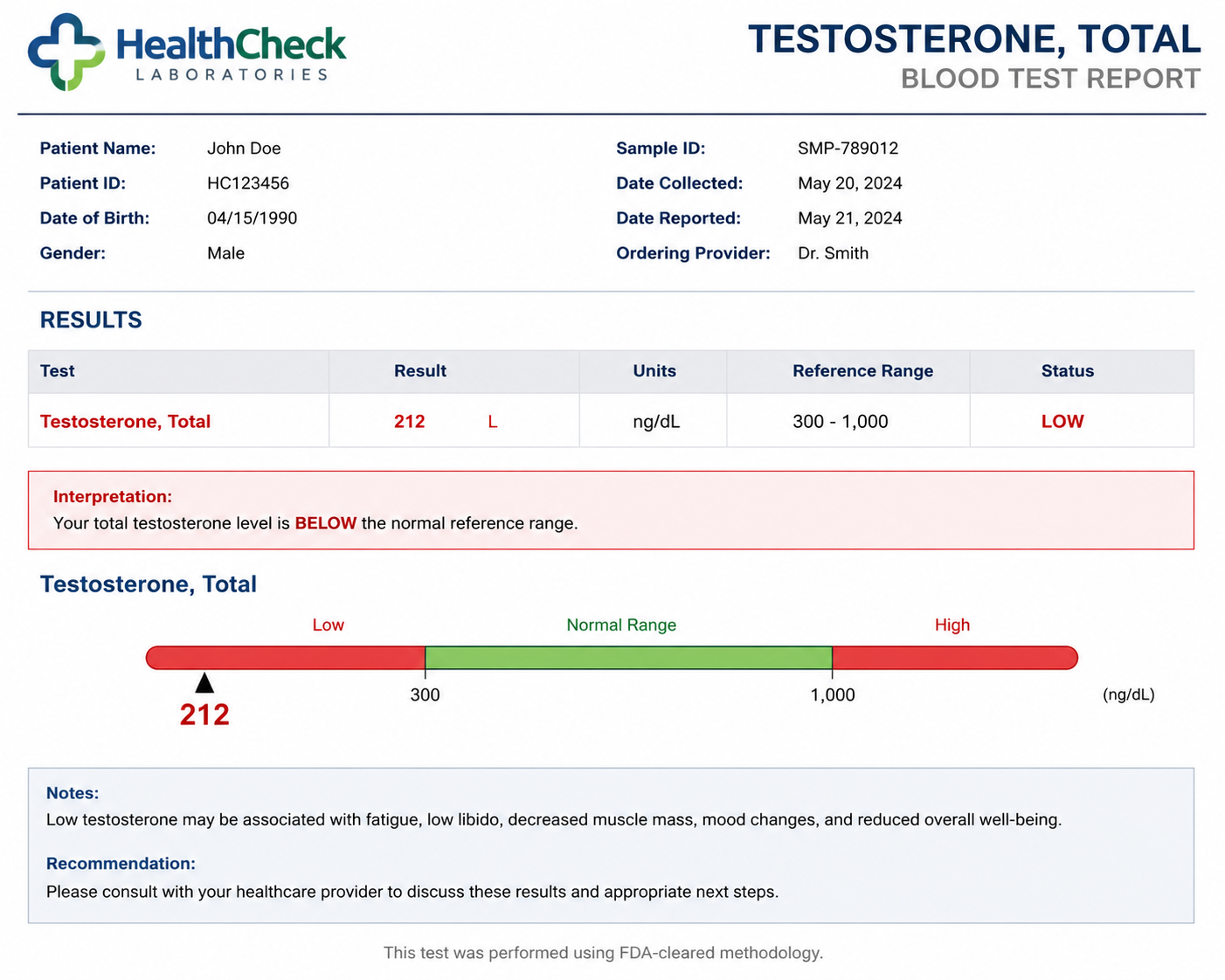
Schedule Your Hormone Assessment Today
If you're experiencing fatigue, low libido, and muscle loss, the first step is getting your testosterone levels tested. You need to know your numbers. From there, you can make informed decisions about whether lifestyle changes alone will work for you or whether testosterone therapy is something worth exploring.
The team at Modern Health & Wellness specializes in men's hormone health. We offer comprehensive testosterone testing, personalized protocols, and ongoing support. Whether you need help optimizing lifestyle factors, whether you're a candidate for TRT, or whether you want to combine both approaches, we can help you create a plan that gets your life back.
Book your consultation today and let's get your testosterone back to optimal levels.
Contact Modern Health & Wellness:
Phone: (602) 878-9478
Email:hello@modernhealthaz.com
Location: Gilbert/Scottsdale, Arizona