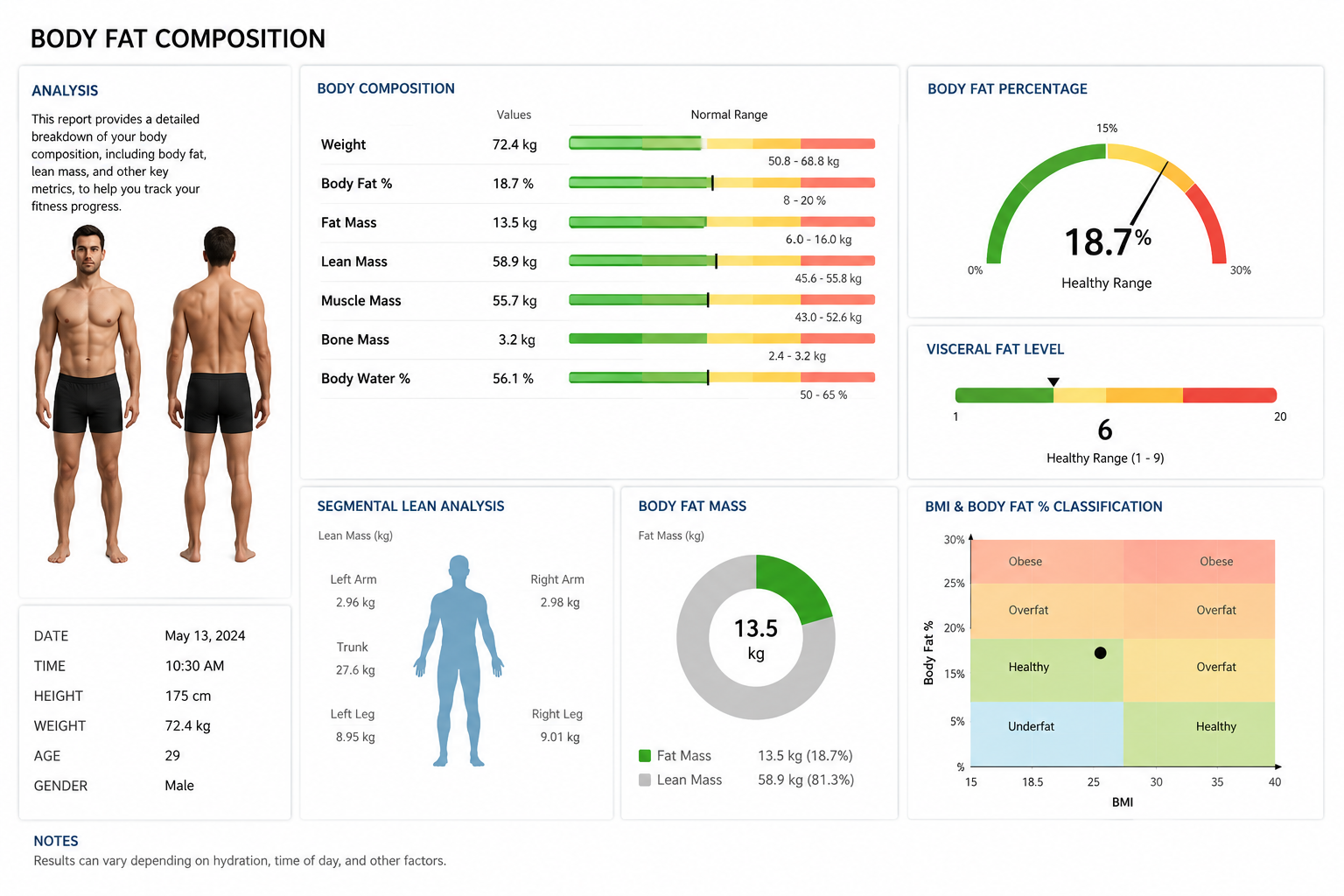
Excess Body Fat Is Converting Your Testosterone Into Estrogen
If you're carrying excess body fat, especially around your midsection, you're essentially running a testosterone-suppressing factory inside your own body. Extra fat produces an enzyme called aromatase, which converts testosterone into estrogen. More fat means more of your testosterone gets converted away.
This is why men with high body fat often have low testosterone and high estrogen, even if their testosterone production is normal. The testosterone is being made, but it's being converted into estrogen before it can do its job.
The Vicious Cycle Most Guys Don't Realize They're In
It starts with one of the other factors we've discussed. Poor sleep. Chronic stress. Sedentary lifestyle. Your testosterone drops. When testosterone drops, you lose muscle mass. Muscle burns calories at rest. When you lose muscle, your metabolism slows down.
Slower metabolism plus less muscle means you gain fat easier. Now you have more body fat. More body fat means more aromatase. More aromatase means more testosterone is being converted to estrogen.
So now your testosterone is even lower and your estrogen is even higher. You feel worse. You're more fatigued. You lose motivation to exercise. You gain more fat. The cycle continues downward.
Most men stuck in this cycle think they need a supplement or they need testosterone therapy. Sometimes they do. But the first thing that needs to happen is breaking the cycle by losing fat.
How Fat Loss Restores Testosterone
When you lose body fat, especially the visceral fat around your abdomen, aromatase activity drops. Less conversion of testosterone to estrogen. Your testosterone levels naturally rise. Your metabolism improves because you have more muscle. Your hormones rebalance.
This is why men who lose 5 to 10 percent of their body weight often see dramatic improvements in testosterone levels without any medical intervention. They break the cycle. Their body starts working for them instead of against them.
The Right Way to Lose Fat Without Killing Your Testosterone
The problem is most guys either do nothing or they crash diet. Crash dieting lowers testosterone because your body perceives it as a threat. Extreme calorie restriction triggers cortisol release and actually suppresses testosterone even more.
The solution is sustainable fat loss combined with strength training.
Strength training is critical because it preserves muscle while you're losing fat. If you just diet without lifting, you lose muscle along with fat. Your metabolism slows even more. Your testosterone drops further.
But if you lift heavy and eat in a moderate calorie deficit, you lose fat while maintaining or even gaining muscle. Your metabolism stays higher. Your testosterone gets back on track.
What a Sustainable Fat Loss Protocol Looks Like
You don't need to be in a massive calorie deficit. You need to be in a modest calorie deficit, maybe 300 to 500 calories below maintenance. You eat adequate protein to support muscle preservation. You eat vegetables and whole foods. You avoid processed junk.
You lift heavy three to four times per week. You do some moderate cardio. You sleep well. You manage stress.
With this approach, most men lose 1 to 2 pounds per week, which is sustainable. More importantly, they preserve muscle. Their energy stays good. Their testosterone responds well.
The Timeline for Fat Loss and Testosterone Recovery
Week one to two: You're in a routine. Your energy is decent. Your body is adapting to the calorie deficit.
Week three to four: You're noticeably stronger in the gym. Your energy is good. Your clothes are fitting slightly different. Testosterone is beginning to rise.
Week six to eight: You've lost 5 to 10 pounds. You look noticeably better. Testosterone is rising. Your libido is improving. Energy is high.
Week twelve to sixteen: You've lost 15 to 20 pounds. Your body composition is transformed. Testosterone is back in a healthy range. Your libido is back. You feel like yourself again.
Body Composition Matters More Than Scale Weight
Don't obsess about the scale. Muscle weighs more than fat. You could be losing 10 pounds of fat while gaining 5 pounds of muscle. The scale says you lost 5 pounds, but your body composition has transformed.
Use how your clothes fit, how you look in the mirror, and how you feel as your measure of progress. Measure your waist circumference. That's a better indicator of fat loss than scale weight.
You Don't Have to Be Lean to Have Good Testosterone
You don't need to be shredded to have healthy testosterone. You just need to get your body fat to a reasonable level, probably under 25 to 30 percent for most men. From there, your aromatase activity drops enough that your testosterone can recover.
This is achievable for most men in three to six months of consistent fat loss plus strength training.
What If Fat Loss Alone Doesn't Restore Testosterone
For many men, especially those in their 40s and 50s who have been overweight for years, fat loss plus strength training plus sleep optimization plus stress reduction will restore testosterone to healthy levels.
For others, usually those with more significant hormonal dysfunction, fat loss creates the foundation that allows testosterone therapy to work more effectively. You get the benefits of the lifestyle changes, and the testosterone therapy brings your levels to optimal.
Start This Week
You don't need to make it complicated. Pick one thing: eat more protein, or cut out sugary drinks, or add a strength training session.
That's your starting point. Build from there.
If you want to test your testosterone to understand where you stand, or if you want to discuss whether fat loss and lifestyle changes will address your symptoms or whether testosterone therapy is appropriate, the Modern Health & Wellness team can help.
We test your hormones, we assess your body composition, and we help you build a plan that actually works for your specific situation.
Schedule Your Testosterone Assessment
Modern Health & Wellness Gilbert/Scottsdale, Arizona Phone: (602) 878-9478 Email: hello@modernhealthaz.com