
Vitamin D and Testosterone: Why You Might Be Deficient and Not Know It
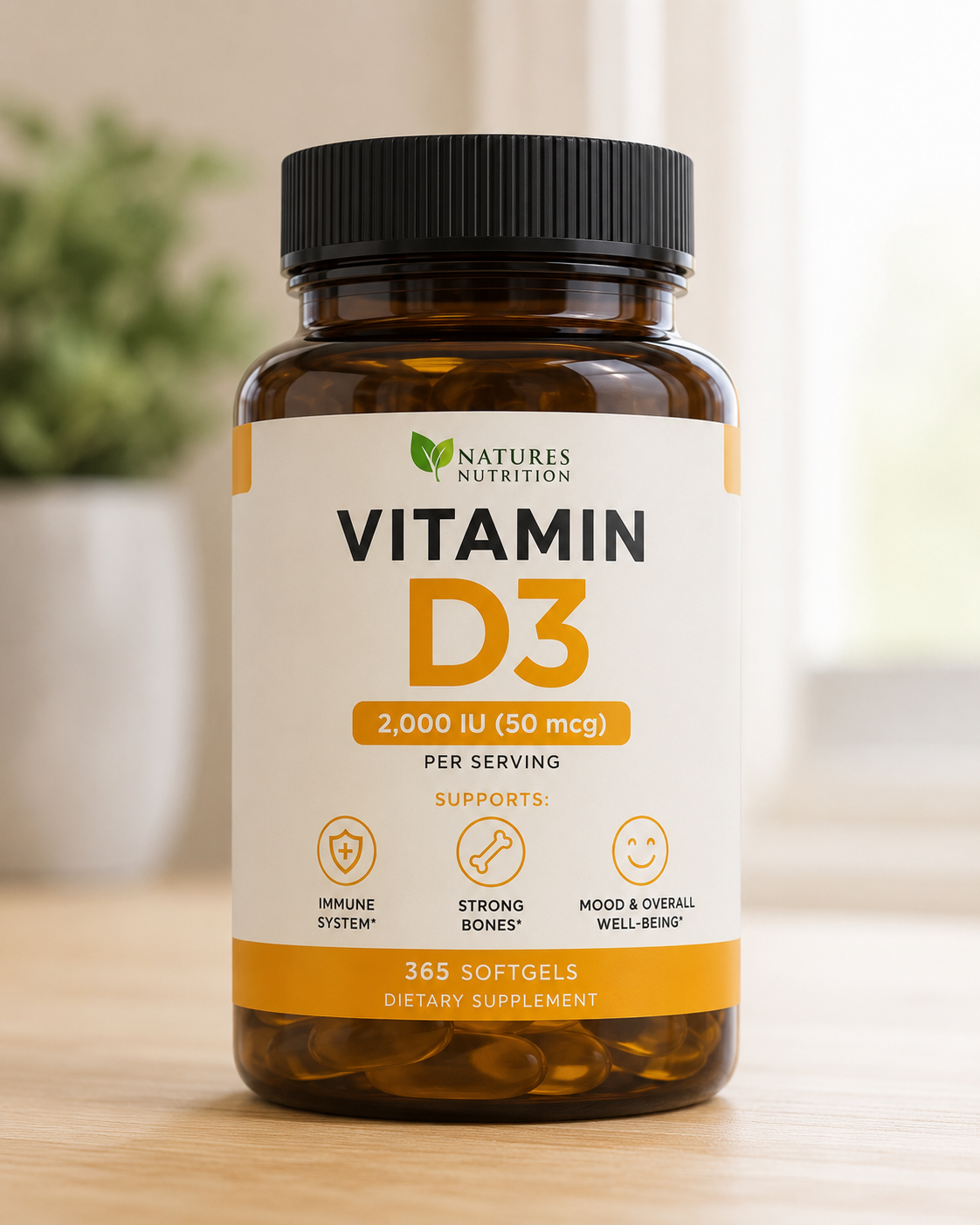
Vitamin D deficiency has basically become the norm, and it's directly affecting your testosterone. Research shows men with adequate vitamin D have testosterone levels about 25 percent higher than deficient men.
That's not a small difference. That's a massive hormonal advantage from optimizing one nutrient.
The irony is you live in Arizona. You have sun year-round. But most men still end up deficient because they work inside all day, and they don't spend enough time in the sun during peak hours when vitamin D synthesis is most efficient.
Vitamin D Is a Hormone, Not a Vitamin
This is important to understand. Vitamin D doesn't work like a vitamin. It works like a hormone. Your body produces vitamin D when your skin is exposed to sunlight, and then vitamin D travels throughout your body and affects hormone production in multiple systems.
Your testes have vitamin D receptors. The tissues involved in testosterone production have vitamin D receptors. Low vitamin D means your body can't efficiently signal testosterone production.
It's not a deficiency problem like not getting enough vitamin C. It's a hormone deficiency problem.
How Much Vitamin D Do You Actually Need
Most guidelines say 1000 to 2000 IU is adequate. But most research on testosterone shows you need higher levels for optimal hormone production.
The vitamin D sweet spot for testosterone is probably 60 to 80 ng/mL, which usually requires 2000 to 4000 IU daily from supplementation, plus sun exposure.
Most Americans, even those in sunny climates like Arizona, are at 20 to 30 ng/mL, which is considered insufficient. They're not getting enough vitamin D to optimize testosterone production.
Sun Exposure Is the Best Source
Your body produces vitamin D most efficiently from direct sunlight. Thirty minutes of midday sun, several times per week, produces significant vitamin D.
The key is midday sun. Early morning or late afternoon sun doesn't trigger as much vitamin D production. Midday sun, when the sun is highest in the sky, is when your skin produces vitamin D most efficiently.
You don't need to sit in the sun for hours. Thirty minutes is enough. And you live in Arizona, so this should be easier for you than for most people.
The catch is a lot of men work inside all day. They might go from their house to their car to their office to their car back to their house. They're not getting outside during midday.
That's where supplementation comes in.
Supplementation If You Can't Get Sun Exposure
If you're working inside all day and you can't get regular sun exposure, supplementation is the answer.
Vitamin D3 is the right form. Make sure you speak to your provider to know the dose you should be on. It's inexpensive. It's safe. It's effective.
Most men notice improvements in energy and mood within a week or two of starting vitamin D supplementation, assuming they were deficient.
Why Food Isn't Enough
Some foods contain vitamin D. Fatty fish like salmon and mackerel have it. Egg yolks have it. Mushrooms that have been exposed to sunlight have it.
But you'd have to eat a lot of these foods to get adequate vitamin D from diet alone. It's not practical. Sun exposure plus supplementation is more effective.
Testing Your Vitamin D Levels
Get your vitamin D levels tested. It's a simple blood test. Your doctor can order it, or you can order it yourself through services like Quest Diagnostics.
Find out where you actually stand. If you're deficient, ask your provider if you can supplement Vitamin D to bring your levels up within a few months.
Retest in three months to make sure you're in the 40 to 60 range. If you're still low, increase supplementation slightly.
The Vitamin D and Testosterone Timeline
Day one: You start taking vitamin D3 or getting more sun exposure.
Week one to two: You feel more energetic. Your mood improves. These effects happen before testosterone levels significantly rise, but they're real.
Week three to four: You start noticing better sleep quality. Vitamin D supports better sleep, and better sleep supports testosterone production.
Week four to six: If you were deficient, testosterone is rising. Energy is higher. Workout performance is better. Libido is improving.
Month two and beyond: Vitamin D levels are optimized. Testosterone levels are higher. You're feeling significantly better overall.
Vitamin D Supports More Than Just Testosterone
While we're talking about testosterone, vitamin D also supports bone health, immune function, mood, and cardiovascular health. Optimizing vitamin D has benefits way beyond testosterone, though testosterone is one important benefit.
The Investment Is Minimal
A bottle of vitamin D3 costs ten bucks and lasts three months. This is one of the cheapest, most effective interventions you can do for hormone health.
Combined With Other Strategies
Vitamin D optimization works best alongside the other strategies we've discussed. Good sleep, strength training, nutrition, stress management, and optimized vitamin D. Together, these address most of the factors that suppress testosterone.
For some men, especially younger men with moderate testosterone decline, these strategies alone restore testosterone to healthy levels. For others, especially those with more significant deficiency or those whose symptoms have been severe, these strategies create the foundation for testosterone therapy to work optimally.
Get Your Levels Tested
This week, either get 30 minutes of midday sun and commit to it a few times per week, or order a bottle of vitamin D3 and start supplementing.
If you want to know your actual vitamin D levels and understand how that's impacting your testosterone, Modern Health & Wellness can test both.
We run vitamin D testing, testosterone testing, and comprehensive hormone panels. We help you understand where you stand and what interventions will actually help you.
Schedule Your Hormone Assessment
Modern Health & Wellness Gilbert/Scottsdale, Arizona Phone: (602) 878-9478 Email: hello@modernhealthaz.com
